Posted By

Recent Posts
-
Speaking of HealthSeasonal affective disorder: More than feeling sad
-
Speaking of HealthUnderstanding autism: The path to diagnosis, awareness and support
-
Speaking of HealthLiving with bipolar disorder

Helping children feel safe
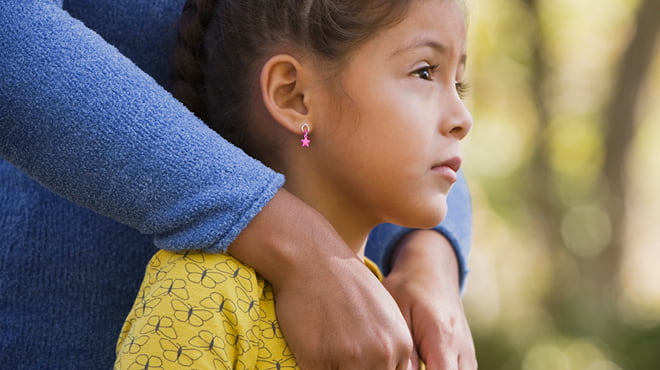
In the aftermath of gun violence in schools, many parents are asking "How can I help my children feel safe" or "How do I reassure myself that my children are safe?"
As parents, it is important to acknowledge and gain a healthy perspective of your fears for the safety of your children. With the news media's ability to report tragic events involving children instantly and repetitively, your perceptions of levels of threat can be distorted. After all, your children are precious to you, and you want to protect them.
Each time you hear, see or read about a single violent crime in the news, your brain interprets this as an increasing threat. You can begin to believe that you are living in an unsafe environment, even if the violence occurred many hundreds or thousands of miles away from where you live.
When parents are afraid, children are more afraid. This fear can interfere with the social-emotional development needed for academic and social success throughout life.
Understanding reactions to tragedy
Your children might experience fear, shock, anger, anxiety and grief. Your children's age will affect how they handle the stress of a tragedy.
Keep these reactions and behaviors in mind based on your children's ages:
- Preschool children
Children in this age range become clingy or want to stay in a place that makes them feel safe. Some children might revert to wetting the bed or sucking their thumbs. Avoid criticizing your children for this behavior. - Elementary and early middle school children
At these ages, children might be scared to go to school, have trouble sleeping and paying attention, or become aggressive. They might grieve in short segments and show persistent concern for their safety. - Upper middle school and high school children
Older children might deny that they're upset. Some children might complain about aches because they're unable to identify what's bothering them. Others might start arguments or resist authority. Some children might experience depression, anger and sleep problems.
These reactions are normal. However, if your children continue to display these behaviors for more than two to four weeks, they might need more help coping. If you're concerned about your children's reaction, talk to a mental health professional.
Steps to help your children cope
To help your children process what happened:
- Remain calm.
Your children will look to you for cues about how to react. It's OK for children to see adults sad or crying, but consider excusing yourself if you're experiencing intense emotions. - Reassure your children that they are safe.
Point out factors that ensure your children's immediate safety. Review your home safety procedures. Make your home a comforting space for your children. Know your children's school emergency procedures for weather, fire or an intruder. This can help your own reassurance to communicate about procedures confidently to your children. - Limit media exposure.
Constantly watching news coverage of a tragedy can heighten anxiety. Limit your child's exposure to violence on TV and in the news. When older children watch or read news reports, try to do it with them. When violence is in the news, ask what your child knows or has heard so you can correct misperceptions. - Avoid placing blame.
If the tragedy was caused by human violence or error, be careful not to blame a cultural, racial or ethnic group, or people who have mental illnesses. - Maintain the routine.
To give your children a sense of normalcy, keep up your family's usual dinner, homework and bedtime routines. - Spend extra time together.
This can foster your children's sense of security. If your children are having trouble sleeping, allow them to sleep with a light on or to sleep in your room for a short time. - Encourage the expression of feelings.
Explain that it's OK to be upset. Let your children write about or draw what they are feeling. Encourage time with friends. Physical activity might be an outlet for frustration. - Do something.
Consider ways to help people affected by tragedy and their families. Hold a service related to the tragedy. You might work with your children to write thank-you notes to first responders.
If your child is feeling unsafe because of events in their school, community or in the news, and following these guidelines does not help you or your child feel more secure, professional help may be needed. Contacting your health care team can help you and your children restore a sense of safety.
Starting a conversation with children
When you talk to your children about safety or their worries about safety, follow these guidelines:
- Teach your children to trust their instincts.
If they feel afraid or think something is not right, they should find a trusted adult for help. - Answer children's questions honestly.
Be calm and matter-of-fact, giving them only necessary information. Younger children only need simple explanations; whereas, older children or teens may want more discussion. - It's important not to promise your children that violence will never occur.
Children know that bad things happen. Making promises about things you can't control compromises trust and can ultimately increase your child's anxiety.
Caring for yourself after a tragedy is important. Pay attention to your feelings and lean on loved ones or talk to a mental health professional. Get enough sleep, eat a healthy diet and stay active. This will enable you to care for your children and be a role model for how to cope.
Janice Schreier is a clinical therapist in Psychiatry & Psychology in La Crosse, Wisconsin.