• Patient Portal
  • Pay Bill
  • Request Appointment
MCHS_Logo_2024_BLACK
    • Cardiology (Heart)
    • Gastroenterology & Hepatology (Digestive Care)
    • Neurosurgery
    • Obstetrics & Gynecology (OB-GYN)
    • Oncology (Cancer)
    • Orthopedics & Orthopedic Surgery (Bones)
    • Primary Care
    • Spine Care
    • Sports Medicine
    • Virtual Care 24/7
    View all specialties
  • Providers
  • Minnesota

    • Albert Lea
    • Austin
    • Blooming Prairie
    • Butterfield
    • Cannon Falls
    • Fairmont
    • Faribault
    • Lake City
    • Mankato
    • New Prague
    • Northfield
    • Owatonna
    • Plainview
    • Red Wing
    • Sherburn
    • St. James
    • Waseca
    • Zumbrota

    Wisconsin

    • Arcadia
    • Barron
    • Bloomer
    • Chetek
    • Chippewa Falls
    • Eau Claire
    • Ellsworth
    • Glenwood City
    • Holmen
    • La Crosse
    • Menomonie
    • Mondovi
    • Onalaska
    • Osseo
    • Prairie du Chien
    • Rice Lake
    • Sparta
    • Tomah
    mchsmap Map view
    • VirtualCare
      Virtual Care
    • SameDayCare
      Same-Day Care
    • PrimaryCare
      Primary Care
    • SpecialtyCare
      Specialty Care
    • View all care options
    • PrimaryCare
      Billing & Insurance
    • SameDayCare
      Financial Assistance
    • VirtualCare
      Price Transparency
    • Hometown Health
    • Classes & Events
    • Self-guided wellness programs
    • Mayo Clinic Connect
    • Community Resources
  • Patient Portal
  • Pay Bill
  • Request Appointment
MCHS_Logo_2024_BLACK
Search Mayo Clinic Health System
    • Cardiology (Heart)
    • Gastroenterology & Hepatology (Digestive Care)
    • Neurosurgery
    • Obstetrics & Gynecology (OB-GYN)
    • Oncology (Cancer)
    • Orthopedics & Orthopedic Surgery (Bones)
    • Primary Care
    • Spine Care
    • Sports Medicine
    • Virtual Care 24/7
    • View all specialties
  • Providers
    • Minnesota

    • Albert Lea
    • Austin
    • Blooming Prairie
    • Butterfield
    • Cannon Falls
    • Fairmont
    • Faribault
    • Lake City
    • Mankato
    • New Prague
    • Northfield
    • Owatonna
    • Plainview
    • Red Wing
    • Sherburn
    • St. James
    • Waseca
    • Zumbrota

      Wisconsin

    • Arcadia
    • Barron
    • Bloomer
    • Chetek
    • Chippewa Falls
    • Eau Claire
    • Ellsworth
    • Glenwood City
    • Holmen
    • La Crosse
    • Menomonie
    • Mondovi
    • Onalaska
    • Osseo
    • Prairie du Chien
    • Rice Lake
    • Sparta
    • Tomah
    • Map view
    • Virtual Care
    • Same-Day Care
    • Primary Care
    • Specialty Care
    • View all care options
    • Billing & Insurance
    • Financial Assistance
    • Price Transparency
    • Hometown Health
    • Classes & Events
    • Self-guided wellness programs
    • Mayo Clinic Connect
    • Community Resources

Recent Posts

  • ColdfluRSV blog photo
    Speaking of Health
    When to seek care for cold, flu and RSV
    March 10, 2026
  • winter outdoor lady and girl 660x370
    Speaking of Health
    Is your sinus pressure a sinus infection?
    February 09, 2026
  • Izzy Iverson
    Patient Stories
    Unexpected vacation ending leads to rare tumor discovery
    February 05, 2026
Featured Topics
  • Behavioral Health
  • Cancer
  • Children's Health (Pediatrics)
  • Exercise and Fitness
  • Heart Health
  • Men's Health
  • Neurosurgery
  • Obstetrics and Gynecology
  • Orthopedic Health
  • Weight-loss (Bariatric) Surgery
  • Women's Health
Speaking of Health
Monday, April 19, 2021

Combating allergies, asthma during COVID-19
Topics in this Post
  • Allergy and Asthma
  • COVID-19
  • COVID-19 Vaccine
  • Infectious Diseases
  • Hot Topics
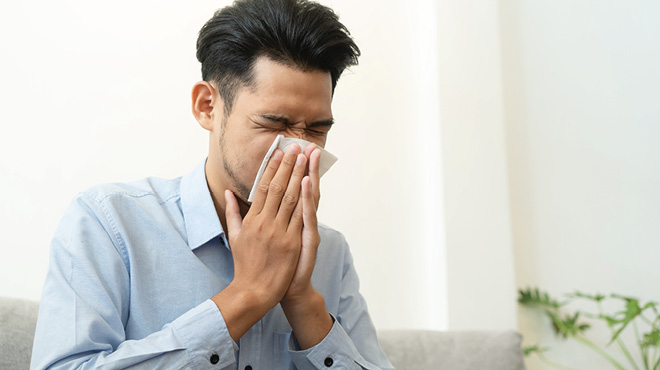
Blowing nose or sneezing into tissue

In many parts of the U.S., spring is in full bloom. And with the arrival of spring comes an increase in seasonal allergies, often due to pollen produced by trees. Given the COVID-19 pandemic, many people have questions regarding how to differentiate between symptoms caused by environmental allergens versus the COVID-19 infection.

COVID-19 is a viral illness that can present with fever; headache; nasal congestion; loss of sense of smell and taste; coughing; wheezing; shortness of breath; or cardiac, gastrointestinal or neurologic manifestations. Symptoms can range widely, from mild to severe.

Most people may have heard the term allergic rhinitis, which can affect millions of people. This condition occurs when a person's immune system reacts to a foreign substance, such as pollen or pet dander. Typical seasonal allergy symptoms include itchy, watery eyes; itchy, runny nose; sneezing; nasal congestion; or postnasal drip.

Though certain symptoms can overlap, allergies differ from COVID-19 with respect to the sudden onset of illness and symptoms. COVID-19 symptoms tend to come on quickly and worsen. Though you might experience some of the same symptoms with a cold or other virus, COVID-19 symptoms include fever, shortness of breath, difficulty breathing and potentially some gastrointestinal upset. With allergic rhinitis, patients would not have a fever, which is a COVID-19 symptom.

For patients with allergies, medications and a change of scenery can improve symptoms. Having seasonal allergies does not put you at greater risk of catching COVID-19.

If you have known allergies, it is important to know your triggers and make accommodations, especially given the ongoing pandemic. For example, if you are allergic to oak tree pollen, but you have taken to running outdoors versus in a gym, you may want to reduce your mileage and plan to shower immediately after you complete your exercise. If you know dust is a trigger for your allergies, be mindful to adjust your chore schedule to vacuum or mop more often.

Also, continue to use your medications as prescribed. For effectiveness, make sure you're using your nasal sprays properly. Avoid spraying your septum or nasal bone, which can thin the skin and cause bleeding. Rather, tilt the head down, shake the bottle and then aim toward the ear. Spray and sniff in slowly. Then shake the bottle and repeat in the other nostril.

Also remember to wipe the nozzle down after each use and not share bottles with anyone else.

If you find your current over-the-counter allergy medication is not working as effectively as you'd like, consider switching brands for a short time. Oftentimes, your body can build up a tolerance and the medication may become less effective at controlling your symptoms. Switching to another brand for a few weeks may help.

If your symptoms worsen and you have concerns that you may have contracted COVID-19, you should contact your health care provider.

Arveen Bhasin, M.D., is an Allergy and Immunology physician at Mayo Clinic in Jacksonville, Florida.

Information in this post was accurate at the time of its posting. Due to the fluid nature of the COVID-19 pandemic, scientific understanding, along with guidelines and recommendations, may have changed since the original publication date.


Topics in this Post
  • Allergy and Asthma
  • COVID-19
  • COVID-19 Vaccine
  • Infectious Diseases
  • Hot Topics

Related Posts

Sitting on floor working on laptop and using corded earbuds Facts about flu
Person using cellphone Types of COVID-19 tests, when to use them
Daughter touching mother's pregnant belly What studies show about pregnancy, COVID-19 vaccines
Mayo Clinic Health System
About Us
Careers
Volunteer
Donate
Contact Us
Patient Care
Patients & Visitors
Classes & Events
Mayo Clinic Connect
Mayo Clinic
Resources
Referrals
Community Resources
Financial Assistance
Price Transparency
Compliance
Notice of Nondiscrimination
Notice of Privacy Practices
No Surprises Act
Terms of Use
Manage Cookie
Privacy Policy
© 2018 - 2026 Mayo Clinic Health System