• Patient Portal
  • Pay Bill
  • Request Appointment
MCHS_Logo_2024_BLACK
    • Cardiology (Heart)
    • Gastroenterology & Hepatology (Digestive Care)
    • Neurosurgery
    • Obstetrics & Gynecology (OB-GYN)
    • Oncology (Cancer)
    • Orthopedics & Orthopedic Surgery (Bones)
    • Primary Care
    • Spine Care
    • Sports Medicine
    • Virtual Care 24/7
    View all specialties
  • Providers
  • Minnesota

    • Albert Lea
    • Austin
    • Blooming Prairie
    • Butterfield
    • Cannon Falls
    • Fairmont
    • Faribault
    • Lake City
    • Mankato
    • New Prague
    • Northfield
    • Owatonna
    • Plainview
    • Red Wing
    • Sherburn
    • St. James
    • Waseca
    • Zumbrota

    Wisconsin

    • Arcadia
    • Barron
    • Bloomer
    • Chetek
    • Chippewa Falls
    • Eau Claire
    • Ellsworth
    • Glenwood City
    • Holmen
    • La Crosse
    • Menomonie
    • Mondovi
    • Onalaska
    • Osseo
    • Prairie du Chien
    • Rice Lake
    • Sparta
    • Tomah
    mchsmap Map view
    • VirtualCare
      Virtual Care
    • SameDayCare
      Same-Day Care
    • PrimaryCare
      Primary Care
    • SpecialtyCare
      Specialty Care
    • View all care options
    • PrimaryCare
      Billing & Insurance
    • SameDayCare
      Financial Assistance
    • VirtualCare
      Price Transparency
    • Hometown Health
    • Classes & Events
    • Self-guided wellness programs
    • Mayo Clinic Connect
    • Community Resources
  • Patient Portal
  • Pay Bill
  • Request Appointment
MCHS_Logo_2024_BLACK
Search Mayo Clinic Health System
    • Cardiology (Heart)
    • Gastroenterology & Hepatology (Digestive Care)
    • Neurosurgery
    • Obstetrics & Gynecology (OB-GYN)
    • Oncology (Cancer)
    • Orthopedics & Orthopedic Surgery (Bones)
    • Primary Care
    • Spine Care
    • Sports Medicine
    • Virtual Care 24/7
    • View all specialties
  • Providers
    • Minnesota

    • Albert Lea
    • Austin
    • Blooming Prairie
    • Butterfield
    • Cannon Falls
    • Fairmont
    • Faribault
    • Lake City
    • Mankato
    • New Prague
    • Northfield
    • Owatonna
    • Plainview
    • Red Wing
    • Sherburn
    • St. James
    • Waseca
    • Zumbrota

      Wisconsin

    • Arcadia
    • Barron
    • Bloomer
    • Chetek
    • Chippewa Falls
    • Eau Claire
    • Ellsworth
    • Glenwood City
    • Holmen
    • La Crosse
    • Menomonie
    • Mondovi
    • Onalaska
    • Osseo
    • Prairie du Chien
    • Rice Lake
    • Sparta
    • Tomah
    • Map view
    • Virtual Care
    • Same-Day Care
    • Primary Care
    • Specialty Care
    • View all care options
    • Billing & Insurance
    • Financial Assistance
    • Price Transparency
    • Hometown Health
    • Classes & Events
    • Self-guided wellness programs
    • Mayo Clinic Connect
    • Community Resources

Recent Posts

  • ColdfluRSV blog photo
    Speaking of Health
    When to seek care for cold, flu and RSV
    March 10, 2026
  • winter outdoor lady and girl 660x370
    Speaking of Health
    Is your sinus pressure a sinus infection?
    February 09, 2026
  • Izzy Iverson
    Patient Stories
    Unexpected vacation ending leads to rare tumor discovery
    February 05, 2026
Featured Topics
  • Behavioral Health
  • Cancer
  • Children's Health (Pediatrics)
  • Exercise and Fitness
  • Heart Health
  • Men's Health
  • Neurosurgery
  • Obstetrics and Gynecology
  • Orthopedic Health
  • Weight-loss (Bariatric) Surgery
  • Women's Health
Speaking of Health
Thursday, February 29, 2024

Calcium intake and absorption: Are you getting enough?
Topics in this Post
  • Nutrition
  • Get healthy recipes and tips
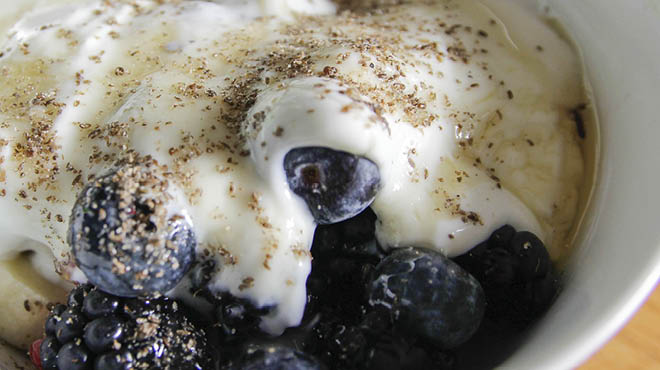
Yogurt and fresh fruit

Calcium is the most abundant mineral in the body. About 1% of the body's calcium is used for metabolic functions, such as vascular contraction and dilation, muscle function, blood clotting, heart rhythm, nerve transmission, intracellular signaling and hormone secretion. The remaining 99% is found in structural support for your bones and teeth. When calcium blood levels are low, a hormone signals that calcium be released from bones into the bloodstream.

Recommended calcium intake

Many people don't get enough calcium. But how much do you need?

The National Institutes of Health (NIH) provides this guidance for daily intake in milligrams (mg):

  • Younger than 6 months: 200 mg
  • 6–12 months: 260 mg
  • 1–3 years: 700 mg
  • 4–8 years: 1,000 mg
  • 9–18 years: 1,300 mg
  • 19–50 years: 1,000 mg
  • 51–70 years: 1,000 mg for men, 1,200 mg for women
  • 71 years and older: 1,200 mg

Inadequate calcium consumption causes osteopenia, or bone loss, which may result in osteoporosis, which is weak, brittle bones. In addition, you're more susceptible to bone fractures with poor calcium intake. Signs of inadequate calcium may include muscle cramping and weakness, tingling or numbness in your fingers, abnormal heart rate or poor appetite.

Calcium absorption

Calcium is a large mineral that can take time to break down and be absorbed into your body. The recommended intake of calcium at one time is 500 mg or less.

Calcium-rich foods include:

  • Plain, low-fat yogurt: 415 mg per 8 ounces
  • Cheddar cheese: 307 mg per 1.5 ounces
  • Nonfat milk: 299 mg per 8 ounces
  • Fortified orange juice: 300 mg per 8 ounces
  • Salmon: 181 mg per 3 ounces
  • Kale: 100 mg per 1 cup
  • Raw broccoli: 21 mg per 1/2 cup

Calcium absorption depends on the total amount of calcium consumed at one time; the higher the amount, the less absorption. However, the presence of vitamin D increases calcium absorption.

So the next time you're shopping for high-calcium foods, search for low-fat yogurt, low-fat milk, cheddar cheese, fortified orange juice, leafy greens and other calcium-containing foods. If you're looking for a calcium supplement, remember the importance of 500 mg or less per serving for best absorption.

Try this calcium-rich recipe. Pair it with a side dish of kale salad or broccoli for an extra boost of calcium.

Citrus seared salmon

By Mayo Clinic
Serves 4

4 4-ounce salmon fillets, trimmed
1 teaspoon cumin
1 teaspoon orange zest
1/4 teaspoon kosher salt
1/4 cup orange juice
1/4 cup apple juice
1 tablespoon Dijon mustard
2 teaspoons honey
1 teaspoon ground black pepper
1 tablespoon olive oil
1 tablespoon water
1 teaspoon cornstarch

Place the salmon fillets skin side down on a plate and season with cumin, orange zest and salt. In a medium bowl, combine the orange juice, apple juice, mustard, honey and black pepper. In a small bowl, combine the water and cornstarch to make a slurry.

Heat a nonstick sauté pan over medium-high heat. Add the olive oil to the heated sauté pan. Place the salmon in the pan with the seasoned side down. Cook for approximately 2 minutes. Flip and cook for another 2 minutes until the internal temperature is 145 F.

Remove the salmon from the pan, cover and set aside. Add the juice mixture to the sauté pan. Slowly whisk the slurry into the juice mixture, continuing to whisk until the desired thickness is reached. Drizzle the sauce over the salmon and serve.

Nutritional per 4-ounce serving: 160 calories, 16 grams total fat, 282 milligrams sodium, 8 grams total carbohydrate, 6 grams total sugars, 0 grams fiber, 22 grams protein.

Anne Harguth is a registered dietitian in Clinical Nutrition Services in Waseca, Minnesota.

Topics in this Post
  • Nutrition
  • Get healthy recipes and tips

Related Posts

Two people making bread Do you need to say goodbye to gluten?
Looking inside refrigerator with fruits and lettuce Spring into better health: Refrigerator edition
Instant soup with noodles What you should know about processed, ultra-processed foods
Mayo Clinic Health System
About Us
Careers
Volunteer
Donate
Contact Us
Patient Care
Patients & Visitors
Classes & Events
Mayo Clinic Connect
Mayo Clinic
Resources
Referrals
Community Resources
Financial Assistance
Price Transparency
Compliance
Notice of Nondiscrimination
Notice of Privacy Practices
No Surprises Act
Terms of Use
Manage Cookie
Privacy Policy
© 2018 - 2026 Mayo Clinic Health System