• Patient Portal
  • Pay Bill
  • Request Appointment
MCHS_Logo_2024_BLACK
    • Cardiology (Heart)
    • Gastroenterology & Hepatology (Digestive Care)
    • Neurosurgery
    • Obstetrics & Gynecology (OB-GYN)
    • Oncology (Cancer)
    • Orthopedics & Orthopedic Surgery (Bones)
    • Primary Care
    • Spine Care
    • Sports Medicine
    • Urology
    View all specialties
  • Providers
  • Minnesota

    • Albert Lea
    • Austin
    • Blooming Prairie
    • Butterfield
    • Cannon Falls
    • Fairmont
    • Faribault
    • Lake City
    • Mankato
    • New Prague
    • Northfield
    • Owatonna
    • Plainview
    • Red Wing
    • Sherburn
    • St. James
    • Waseca
    • Zumbrota

    Wisconsin

    • Arcadia
    • Barron
    • Bloomer
    • Chetek
    • Chippewa Falls
    • Eau Claire
    • Ellsworth
    • Glenwood City
    • Holmen
    • La Crosse
    • Menomonie
    • Mondovi
    • Onalaska
    • Osseo
    • Prairie du Chien
    • Rice Lake
    • Sparta
    • Tomah
    mchsmap Map view
    • VirtualCare
      Virtual Care
    • SameDayCare
      Same-Day Care
    • PrimaryCare
      Primary Care
    • SpecialtyCare
      Specialty Care
    • View all care options
    • PrimaryCare
      Billing & Insurance
    • SameDayCare
      Financial Assistance
    • VirtualCare
      Price Transparency
  • Health & Wellness Resources
    • Patient Portal
    • Pay Bill
    • Request Appointment
    MCHS_Logo_2024_BLACK
        • Cardiology (Heart)
        • Gastroenterology & Hepatology (Digestive Care)
        • Neurosurgery
        • Obstetrics & Gynecology (OB-GYN)
        • Oncology (Cancer)
        • Orthopedics & Orthopedic Surgery (Bones)
        • Primary Care
        • Spine Care
        • Sports Medicine
        • Urology
        • View all specialties
      • Providers
        • Minnesota

        • Albert Lea
        • Austin
        • Blooming Prairie
        • Butterfield
        • Cannon Falls
        • Fairmont
        • Faribault
        • Lake City
        • Mankato
        • New Prague
        • Northfield
        • Owatonna
        • Plainview
        • Red Wing
        • Sherburn
        • St. James
        • Waseca
        • Zumbrota

          Wisconsin

        • Arcadia
        • Barron
        • Bloomer
        • Chetek
        • Chippewa Falls
        • Eau Claire
        • Ellsworth
        • Glenwood City
        • Holmen
        • La Crosse
        • Menomonie
        • Mondovi
        • Onalaska
        • Osseo
        • Prairie du Chien
        • Rice Lake
        • Sparta
        • Tomah
        • Map view
        • Virtual Care
        • Same-Day Care
        • Primary Care
        • Specialty Care
        • View all care options
        • Billing & Insurance
        • Financial Assistance
        • Price Transparency
      • Health & Wellness Resources
      Posted By
      David Valencia MD

      David Valencia, M.D.

      Otolaryngology (ENT)

      Recent Posts

      • Face upward to the sky with eyes closed, wearing a knit hat
        Speaking of Health
        Absorbable implant to open blocked airways
        February 15, 2022
      Featured Topics
      • Behavioral Health
      • Cancer
      • Children's Health (Pediatrics)
      • Exercise and Fitness
      • Heart Health
      • Men's Health
      • Neurosurgery
      • Obstetrics and Gynecology
      • Orthopedic Health
      • Weight-loss (Bariatric) Surgery
      • Women's Health
      Featured Topic
      Thursday, June 3, 2021

      Q&A: COVID-19 and loss of smell, taste

      Topics in this Post
      • COVID-19
      • COVID-19 Vaccine
      • Infectious Diseases
      • Ear, Nose and Throat (ENT)
      • Hot Topics
      Smelling plate of food

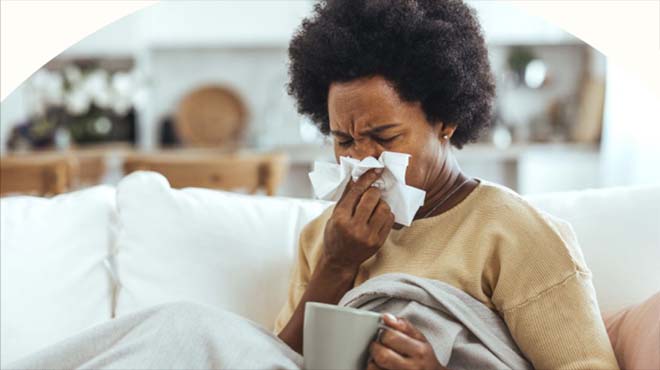
      Smell is an often underrated sense, and many don't realize how truly important it is until it doesn't work normally. Smell is linked to emotion and memory, alerts us to danger and possibly most importantly works with the sense of taste to give us flavor.

      The loss of smell, or anosmia, can be devastating and has even been associated with depression. The COVID-19 pandemic has brought anosmia into the spotlight. However, many viruses can cause smell dysfunction, such as the common cold.

      Learn more in this Q&A:

      What should you do if you've lost your sense of smell and taste?

      Smell dysfunction is common and often the first symptom of a COVID-19 infection. Therefore, you should self-isolate and get tested for COVID-19 when you can. It is also common in other viral upper respiratory illness, such as the common cold, but rarely is it the only or first symptom in those cases.

      How common is it to lose your sense of smell and taste?

      Smell dysfunction likely affects 50%–75% of people in the U.S. Most of the time taste also is affected since smell and taste work together to create flavor.

      Can you just lose your sense of taste or smell?

      It's unlikely to lose the sense of smell without also perceiving a loss or change in taste.

      Why does COVID-19 affect smell and taste?

      While the precise cause of smell dysfunction is not entirely understood, the mostly likely cause is damage to the cells that support and assist the olfactory neurons, called sustentacular cells. These cells can regenerate from stem cells, which may explain why smell recovers quickly in most cases.

      How long does the loss of taste and smell last?

      Approximately 90% of those affected can expect improvement within four weeks. Unfortunately, some will experience a permanent loss.

      Could you experience unusual tastes and smells?

      Phantosmia is the perception of a smell that doesn't exist, much like phantom limb pain. Regardless of the cause of loss of smell, patients can experience phantosmia. Often the phantom smell is unpleasant, such as the smell of smoke or rotten meat. Also, normally pleasant smells can be perceived as foul.

      Does the loss of taste and smell mean you had a mild, moderate or severe case of COVID-19?

      The severity of symptoms is not predicted by the loss of smell. However, it is common for anosmia to be the first and only symptom.

      What should you do if the loss of taste and smell lingers on? Is help available?

      In most cases, smell dysfunction recovers quickly. However, it can take months. In a minority of cases, recovery can be incomplete with lasting impairment. While no proven treatment is available, olfactory training is recommended. Topical corticosteroid sprays also are often used in short-term treatment, but they are unlikely to help outside of the acute illness period. Clearly, the best treatment is prevention, such as wearing a mask, practicing social distancing and getting vaccinated for COVID-19.

      David Valencia, M.D., is an otorhinolaryngologist in La Crosse and Onalaska, Wisconsin.

      Topics in this Post
      • COVID-19
      • COVID-19 Vaccine
      • Infectious Diseases
      • Ear, Nose and Throat (ENT)
      • Hot Topics

      Related Posts

      Child on adult's lap, both reading Don't skip your flu shot this year
      Provider holding COVID-19 test swab near patient Emergency departments not for COVID-19 testing
      Gloved hands filling vaccine syringe Debunking COVID-19 myths
      Mayo Clinic Health System
      About Us
      Careers
      Volunteer
      Donate
      Contact Us
      Patient Care
      Patients & Visitors
      Classes & Events
      Mayo Clinic Connect
      Mayo Clinic
      Resources
      Referrals
      Community Resources
      Financial Assistance
      Price Transparency
      Compliance
      Notice of Nondiscrimination
      Notice of Privacy Practices
      No Surprises Act
      Terms of Use
      Manage Cookie
      Privacy Policy
      © 2018 - 2026 Mayo Clinic Health System