• Patient Portal
  • Pay Bill
  • Request Appointment
MCHS_Logo_2024_BLACK
    • Cardiology (Heart)
    • Gastroenterology & Hepatology (Digestive Care)
    • Neurosurgery
    • Obstetrics & Gynecology (OB-GYN)
    • Oncology (Cancer)
    • Orthopedics & Orthopedic Surgery (Bones)
    • Primary Care
    • Spine Care
    • Sports Medicine
    • Virtual Care 24/7
    View all specialties
  • Providers
  • Minnesota

    • Albert Lea
    • Austin
    • Blooming Prairie
    • Butterfield
    • Cannon Falls
    • Fairmont
    • Faribault
    • Lake City
    • Mankato
    • New Prague
    • Northfield
    • Owatonna
    • Plainview
    • Red Wing
    • Sherburn
    • St. James
    • Waseca
    • Zumbrota

    Wisconsin

    • Arcadia
    • Barron
    • Bloomer
    • Chetek
    • Chippewa Falls
    • Eau Claire
    • Ellsworth
    • Glenwood City
    • Holmen
    • La Crosse
    • Menomonie
    • Mondovi
    • Onalaska
    • Osseo
    • Prairie du Chien
    • Rice Lake
    • Sparta
    • Tomah
    mchsmap Map view
    • VirtualCare
      Virtual Care
    • SameDayCare
      Same-Day Care
    • PrimaryCare
      Primary Care
    • SpecialtyCare
      Specialty Care
    • View all care options
    • PrimaryCare
      Billing & Insurance
    • SameDayCare
      Financial Assistance
    • VirtualCare
      Price Transparency
    • Hometown Health
    • Classes & Events
    • Self-guided wellness programs
    • Mayo Clinic Connect
    • Community Resources
  • Patient Portal
  • Pay Bill
  • Request Appointment
MCHS_Logo_2024_BLACK
Search Mayo Clinic Health System
    • Cardiology (Heart)
    • Gastroenterology & Hepatology (Digestive Care)
    • Neurosurgery
    • Obstetrics & Gynecology (OB-GYN)
    • Oncology (Cancer)
    • Orthopedics & Orthopedic Surgery (Bones)
    • Primary Care
    • Spine Care
    • Sports Medicine
    • Virtual Care 24/7
    • View all specialties
  • Providers
    • Minnesota

    • Albert Lea
    • Austin
    • Blooming Prairie
    • Butterfield
    • Cannon Falls
    • Fairmont
    • Faribault
    • Lake City
    • Mankato
    • New Prague
    • Northfield
    • Owatonna
    • Plainview
    • Red Wing
    • Sherburn
    • St. James
    • Waseca
    • Zumbrota

      Wisconsin

    • Arcadia
    • Barron
    • Bloomer
    • Chetek
    • Chippewa Falls
    • Eau Claire
    • Ellsworth
    • Glenwood City
    • Holmen
    • La Crosse
    • Menomonie
    • Mondovi
    • Onalaska
    • Osseo
    • Prairie du Chien
    • Rice Lake
    • Sparta
    • Tomah
    • Map view
    • Virtual Care
    • Same-Day Care
    • Primary Care
    • Specialty Care
    • View all care options
    • Billing & Insurance
    • Financial Assistance
    • Price Transparency
    • Hometown Health
    • Classes & Events
    • Self-guided wellness programs
    • Mayo Clinic Connect
    • Community Resources
Posted By
Logan Kiekhafer, O.D.

Logan Kiekhafer, O.D.

Ophthalmology & Optometry (Eyes)

Recent Posts

  • Person wearing glasses
    Speaking of Health
    See clearly: Advances in eyewear
    May 05, 2023
Featured Topics
  • Behavioral Health
  • Cancer
  • Children's Health (Pediatrics)
  • Exercise and Fitness
  • Heart Health
  • Men's Health
  • Neurosurgery
  • Obstetrics and Gynecology
  • Orthopedic Health
  • Weight-loss (Bariatric) Surgery
  • Women's Health
Speaking of Health
Friday, June 16, 2023

Why do I need safety glasses?

Topics in this Post
  • Eye Health
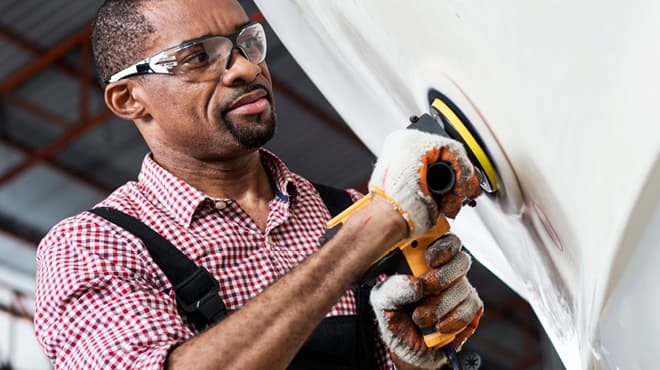
Wearing safety glasses

Many workers underestimate the importance of eye safety, especially when working eight hours a day, five days a week. Yet each day, about 2,000 workers in the U.S. experience a job-related eye injury that requires medical treatment, and more than 100 lose one or more days of work due to their injuries.

These eye injuries often are due to exposure to a harmful substance, getting a foreign object stuck in the eye or being struck in the eye by an object. Fortunately, you can avoid most eye injuries by wearing a pair of high-quality safety glasses that have impact-resistant lenses.

Preventing job-related eye injuries

Hazards exist in every workplace, but some have a higher risk of eye injuries. Safety glasses are recommended for people who work in or around potentially dangerous conditions. This includes work in manufacturing, construction, landscaping, auto repair, plumbing, woodworking, agriculture, mining, metal fabrication and health care.

Wearing safety glasses on the job is more than just a good idea — it's your right. The Occupational Safety and Health Administration, or OSHA, requires employers to provide eye and face protection for employees whenever they may be exposed to potential eye injuries during their work, if work practices or engineering controls do not eliminate the risk of injury.

I also recommend that people wear safety glasses when working on household tasks like lawn mowing, chopping wood or using strong cleaning products.

Safety glasses benefits

Safety glasses are not regular glasses, and regular glasses are not a replacement for safety glasses. A major difference is the material used in the lenses. Some safety lenses are made with the same material that is used for airplane windshields, which is tested to withstand high-impact projectiles. The risk of this material shattering is negligible. Most conventional eyeglass lenses, while sturdy and built for everyday wear, are made of a plastic called acetate. That is not heavy-duty enough to protect your eyes in work situations.

Another difference is the wide coverage provided by safety glasses. In addition to protecting the eyes from objects in the front, safety glasses have side shields to protect the peripheral and temple areas. Regular glasses are meant for comfort, not protection, with no additional coverage.

Prescription safety glasses

Some people who need prescription lenses for clear vision opt for safety goggles that can be worn over their regular glasses. This isn't the safest option. Regular glasses under safety goggles can interfere with how the goggles sit on the face or, in some cases, seal to the face. The safest, most comfortable option is to order prescription safety glasses. Safety glasses can be customized with prescriptions that give wearers the best vision possible while maintaining safety for their eyes.

Prescription safety glasses must meet requirements established by OSHA and the American National Standards Institute to be classified as protective eyewear. There are many frame options that meet national requirements. Some have the appearance of regular eyewear with detachable side shields. Talk with your optometrist about the best option for you.

Logan Kiekhafer, O.D., is an optometrist in Eau Claire, Wisconsin.

Topics in this Post
  • Eye Health

Related Posts

Dark brown eyes Protect your eyes from harmful light
Painting wearing eyeglasses Family history, ethnicity give insights into glaucoma
Reading with glasses and light How age-related macular degeneration blurs vision
Mayo Clinic Health System
About Us
Careers
Volunteer
Donate
Contact Us
Patient Care
Patients & Visitors
Classes & Events
Mayo Clinic Connect
Mayo Clinic
Resources
Referrals
Community Resources
Financial Assistance
Price Transparency
Compliance
Notice of Nondiscrimination
Notice of Privacy Practices
No Surprises Act
Terms of Use
Manage Cookie
Privacy Policy
© 2018 - 2026 Mayo Clinic Health System