Posted By

Family history, ethnicity give insights into glaucoma
Glaucoma has been called the silent thief of sight because its onset can be so gradual that you may not notice changes in your vision until the disease is in its later stages. About 3 million people in the U.S. have glaucoma. Half of those people don't know they have the condition.
How glaucoma affects your vision
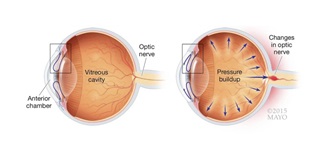
Glaucoma is a group of eye conditions that damages the optic nerve, which sends visual information from your eye to your brain and is vital for good vision. Damage to the optic nerve often is related to high pressure in your eye.
There are six common types of glaucoma:
- Open-angle is the most common type. There are no symptoms in the early stages, but patchy blind spots may begin appearing in your side or peripheral vision. In later stages, these blind spots affect your side vision.
- Acute angle-closure glaucoma can be marked by severe headaches, eye pain, blurred vision, halos or colored rings around lights, eye redness and nausea.
- Normal-tension glaucoma doesn't have symptoms in the early stages, and there is no indication as to why the optic nerve is damaged despite normal pressure. Peripheral vision decreases and side vision can be lost.
- Pigmentary glaucoma symptoms include halos around lights, blurred vision with exercise and loss of side vision. It can affect young, healthy people who are nearsighted.
- Glaucoma also occurs in children, including infants. Babies may have dull or cloudy eyes, increased blinking and tears without crying. Older children may experience blurred vision, nearsightedness that gets worse and headaches.
- Pseudoexfoliative glaucoma is more common in people from northern Europe. White, powdery deposits can form on the lens and iris of those affected by this type of glaucoma.
Who is at risk for glaucoma?
Anyone can get glaucoma, but African Americans over age 40, all people over age 60 and those with a family history of glaucoma or diabetes are at higher risk.
After cataracts, glaucoma is the leading cause of blindness among African Americans, who are six to eight times more likely to get the disease than white people. African Americans also tend to get glaucoma about 10 years sooner than other ethnic groups. That's why it's crucial for them to get a comprehensive eye exam to check for glaucoma after age 35 or sooner if they have diabetes.
Risk factors for African Americans include those who:
- Are over 40
- Are extremely nearsighted
- Have diabetes
- Have high blood pressure
- Use steroids, such as those for controlling asthma, for a prolonged time
Other ethnic groups, including Hispanics and Asians, also are at greater risk for the disease.
In African Americans, genetic factors may be associated with their higher prevalence of glaucoma, as well as cultural factors such as lower rates of regular eye exams and less access to vision care.
How glaucoma is detected
A regular comprehensive eye exam can detect glaucoma in its early stages before significant damage to the optic nerve occurs. Your age and the presence of symptoms determine the frequency of eye exams.
Here's the recommended timing for having an eye exam:
- Under age 40 — every 5–10 years
- Ages 40–54 — every 2–4 years
- Ages 55–64 — every 1–3 years
- Age 65 and older — every 1–2 years
Diagnosing glaucoma isn't always easy, so your eye care professional will look at many factors before making decisions about your treatment. If your condition is challenging to diagnose or treat, you may be referred to a glaucoma specialist.
A typical comprehensive eye exam includes five tests that determine your eye health by:
- Checking the complete field of vision, including side and central vision.
- Evaluating the shape and color of the optic nerve by dilating the pupil.
- Measuring the angle in the eye where the iris meets the cornea.
- Measuring the inner eye pressure.
- Measuring the thickness of the cornea.
Treating and preventing glaucoma
If you have glaucoma, the primary treatment is prescription eye drops or laser treatment that can stop the condition from progressing and preserve your vision. If you've been prescribed eye drops, be sure to take them even if you don't have symptoms.
While there's no cure for glaucoma, you can take steps to prevent this condition, including:
- Know your family history. Since glaucoma tends to run in families, you may need more frequent eye exams.
- Schedule regular eye exams based on your age and symptoms.
- Wear eye protection, because glaucoma can be caused by a serious eye injury, especially from sports, such as baseball or boxing.
Consider enrolling in a glaucoma clinical trial, especially if you're African American, to help determine its causes and spur the development of new treatments and technologies.
Grant Heslep, M.D., is an ophthalmologist in Owatonna, Minnesota.