• Patient Portal
  • Pay Bill
  • Request Appointment
MCHS_Logo_2024_BLACK
    • Cardiology (Heart)
    • Gastroenterology & Hepatology (Digestive Care)
    • Neurosurgery
    • Obstetrics & Gynecology (OB-GYN)
    • Oncology (Cancer)
    • Orthopedics & Orthopedic Surgery (Bones)
    • Primary Care
    • Spine Care
    • Sports Medicine
    • Virtual Care 24/7
    View all specialties
  • Providers
  • Minnesota

    • Albert Lea
    • Austin
    • Blooming Prairie
    • Butterfield
    • Cannon Falls
    • Fairmont
    • Faribault
    • Lake City
    • Mankato
    • New Prague
    • Northfield
    • Owatonna
    • Plainview
    • Red Wing
    • Sherburn
    • St. James
    • Waseca
    • Zumbrota

    Wisconsin

    • Arcadia
    • Barron
    • Bloomer
    • Chetek
    • Chippewa Falls
    • Eau Claire
    • Ellsworth
    • Glenwood City
    • Holmen
    • La Crosse
    • Menomonie
    • Mondovi
    • Onalaska
    • Osseo
    • Prairie du Chien
    • Rice Lake
    • Sparta
    • Tomah
    mchsmap Map view
    • VirtualCare
      Virtual Care
    • SameDayCare
      Same-Day Care
    • PrimaryCare
      Primary Care
    • SpecialtyCare
      Specialty Care
    • View all care options
    • PrimaryCare
      Billing & Insurance
    • SameDayCare
      Financial Assistance
    • VirtualCare
      Price Transparency
    • Hometown Health
    • Classes & Events
    • Self-guided wellness programs
    • Mayo Clinic Connect
    • Community Resources
  • Patient Portal
  • Pay Bill
  • Request Appointment
MCHS_Logo_2024_BLACK
Search Mayo Clinic Health System
    • Cardiology (Heart)
    • Gastroenterology & Hepatology (Digestive Care)
    • Neurosurgery
    • Obstetrics & Gynecology (OB-GYN)
    • Oncology (Cancer)
    • Orthopedics & Orthopedic Surgery (Bones)
    • Primary Care
    • Spine Care
    • Sports Medicine
    • Virtual Care 24/7
    • View all specialties
  • Providers
    • Minnesota

    • Albert Lea
    • Austin
    • Blooming Prairie
    • Butterfield
    • Cannon Falls
    • Fairmont
    • Faribault
    • Lake City
    • Mankato
    • New Prague
    • Northfield
    • Owatonna
    • Plainview
    • Red Wing
    • Sherburn
    • St. James
    • Waseca
    • Zumbrota

      Wisconsin

    • Arcadia
    • Barron
    • Bloomer
    • Chetek
    • Chippewa Falls
    • Eau Claire
    • Ellsworth
    • Glenwood City
    • Holmen
    • La Crosse
    • Menomonie
    • Mondovi
    • Onalaska
    • Osseo
    • Prairie du Chien
    • Rice Lake
    • Sparta
    • Tomah
    • Map view
    • Virtual Care
    • Same-Day Care
    • Primary Care
    • Specialty Care
    • View all care options
    • Billing & Insurance
    • Financial Assistance
    • Price Transparency
    • Hometown Health
    • Classes & Events
    • Self-guided wellness programs
    • Mayo Clinic Connect
    • Community Resources
Posted By
Steve Siegle, L.P.C.

Steve Siegle, Psy.D., L.P.C.

Psychiatry & Psychology

Featured Topics
  • Behavioral Health
  • Cancer
  • Children's Health (Pediatrics)
  • Exercise and Fitness
  • Heart Health
  • Men's Health
  • Neurosurgery
  • Obstetrics and Gynecology
  • Orthopedic Health
  • Weight-loss (Bariatric) Surgery
  • Women's Health
Speaking of Health
Thursday, August 17, 2023

The art of kindness

Topics in this Post
  • Balance Your Mental and Emotional Health
  • Behavioral Health
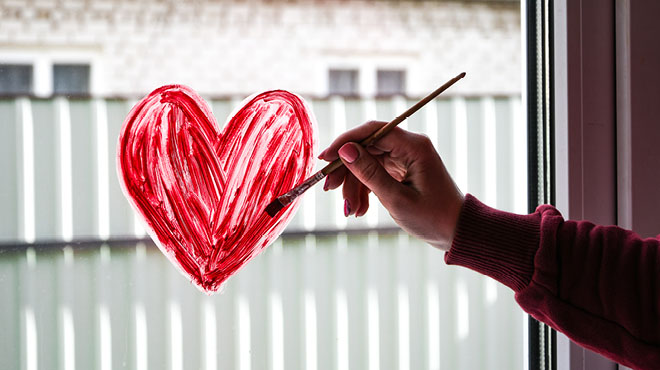
Painting red heart on window

Kindness is more than behavior. The art of kindness involves harboring a spirit of helpfulness, being generous and considerate, and doing so without expecting anything in return.

Rather than viewing it exclusively as an action, think of kindness as a quality of being you can cultivate. Giving kindness often is simple, free and health-enhancing.

Good for the body

Kindness has been shown to increase self-esteem, empathy and compassion, and improve mood. It can decrease blood pressure and cortisol, a hormone directly correlated with stress levels. People who give of themselves in a balanced way also tend to be healthier and live longer.

Kindness can increase your sense of connectivity with others, decrease loneliness, combat low mood and improve relationships. It also can be contagious, encouraging others to join in with their own generous deeds.

Looking for ways to show kindness can give you something to focus on, especially if you are anxious or stressed in certain social situations.

Good for the mind

Physiologically, kindness can positively change your brain by boosting levels of serotonin and dopamine. These neurotransmitters produce feelings of satisfaction and well-being, and cause the pleasure and reward centers in your brain to light up. Endorphins, your body's natural painkiller, also may be released when you show kindness.

Discover ways you can create happiness.

Be kind to yourself

When sharing kindness, it's not just how you treat other people — it's also about how you extend those same behaviors and intentions to yourself. I believe you can be kinder in your own self-talk and practice gratitude.

People are good at verbally beating themselves up which does not work as a pep talk. Rather, negativity often causes you to unravel and may even create a vicious cycle of regularly getting down on yourself. You wouldn't talk to your neighbor the way you sometimes speak to yourself. This is what I call the good neighbor policy, which can be helpful. If you wouldn't say it to your good neighbor, don't say it about yourself.

Take action

Start your day with this question: "How am I going to practice kindness today?" For a homework assignment, I have invited some patients to pay attention and periodically document their evidence of kindness to others and especially to themselves during the day. This positive focus is like planting positive seeds in your mind garden. Where focus goes, energy flows.

A young client recently asked if I wanted them to get on the ARK. When I asked what that meant, the client replied, "Acts of random kindness." How about you? Are you willing to get on the ARK?

Consider joining Mayo Clinic Health System's Kickstart Kindness program to start your kindness journey. The program offers many ideas on how to extend kindness to yourself, your community, environment, home, family, co-workers and others.

Finally, I'd like to leave you with this quote by the Dalai Lama: "Be kind whenever possible. It is always possible."

Steve Siegle is a licensed professional counselor in Psychiatry & Psychology in Menomonie, Wisconsin.

Topics in this Post
  • Balance Your Mental and Emotional Health
  • Behavioral Health

Related Posts

Hoarding Hoarding: Are we defined by our things?
Adult petting black lab dog Building resilience: 9 ways to tame anxiety
Hand on back comforting Suicide isn't always about dying, it may be about perceived relief
Mayo Clinic Health System
About Us
Careers
Volunteer
Donate
Contact Us
Patient Care
Patients & Visitors
Classes & Events
Mayo Clinic Connect
Mayo Clinic
Resources
Referrals
Community Resources
Financial Assistance
Price Transparency
Compliance
Notice of Nondiscrimination
Notice of Privacy Practices
No Surprises Act
Terms of Use
Manage Cookie
Privacy Policy
© 2018 - 2026 Mayo Clinic Health System