• Patient Portal
  • Pay Bill
  • Request Appointment
MCHS_Logo_2024_BLACK
    • Cardiology (Heart)
    • Gastroenterology & Hepatology (Digestive Care)
    • Neurosurgery
    • Obstetrics & Gynecology (OB-GYN)
    • Oncology (Cancer)
    • Orthopedics & Orthopedic Surgery (Bones)
    • Primary Care
    • Spine Care
    • Sports Medicine
    • Urology
    View all specialties
  • Providers
  • Minnesota

    • Albert Lea
    • Austin
    • Blooming Prairie
    • Butterfield
    • Cannon Falls
    • Fairmont
    • Faribault
    • Lake City
    • Mankato
    • New Prague
    • Northfield
    • Owatonna
    • Plainview
    • Red Wing
    • Sherburn
    • St. James
    • Waseca
    • Zumbrota

    Wisconsin

    • Arcadia
    • Barron
    • Bloomer
    • Chetek
    • Chippewa Falls
    • Eau Claire
    • Ellsworth
    • Glenwood City
    • Holmen
    • La Crosse
    • Menomonie
    • Mondovi
    • Onalaska
    • Osseo
    • Prairie du Chien
    • Rice Lake
    • Sparta
    • Tomah
    mchsmap Map view
    • VirtualCare
      Virtual Care
    • SameDayCare
      Same-Day Care
    • PrimaryCare
      Primary Care
    • SpecialtyCare
      Specialty Care
    • View all care options
    • PrimaryCare
      Billing & Insurance
    • SameDayCare
      Financial Assistance
    • VirtualCare
      Price Transparency
  • Health & Wellness Resources
    • Patient Portal
    • Pay Bill
    • Request Appointment
    MCHS_Logo_2024_BLACK
        • Cardiology (Heart)
        • Gastroenterology & Hepatology (Digestive Care)
        • Neurosurgery
        • Obstetrics & Gynecology (OB-GYN)
        • Oncology (Cancer)
        • Orthopedics & Orthopedic Surgery (Bones)
        • Primary Care
        • Spine Care
        • Sports Medicine
        • Urology
        • View all specialties
      • Providers
        • Minnesota

        • Albert Lea
        • Austin
        • Blooming Prairie
        • Butterfield
        • Cannon Falls
        • Fairmont
        • Faribault
        • Lake City
        • Mankato
        • New Prague
        • Northfield
        • Owatonna
        • Plainview
        • Red Wing
        • Sherburn
        • St. James
        • Waseca
        • Zumbrota

          Wisconsin

        • Arcadia
        • Barron
        • Bloomer
        • Chetek
        • Chippewa Falls
        • Eau Claire
        • Ellsworth
        • Glenwood City
        • Holmen
        • La Crosse
        • Menomonie
        • Mondovi
        • Onalaska
        • Osseo
        • Prairie du Chien
        • Rice Lake
        • Sparta
        • Tomah
        • Map view
        • Virtual Care
        • Same-Day Care
        • Primary Care
        • Specialty Care
        • View all care options
        • Billing & Insurance
        • Financial Assistance
        • Price Transparency
      • Health & Wellness Resources
      Posted By
      Paul Horvath, M.D.

      Paul Horvath, M.D.

      Emergency Medicine (Trauma)

      Recent Posts

      • Air purifier
        Speaking of Health
        Cleaner air: Another layer of protection from airborne particles
        July 06, 2023
      • Shoveling snow
        Speaking of Health
        Tips for safe snow shoveling
        March 10, 2023
      • Toddler playing with gift
        Speaking of Health
        Don't let unsafe toys spoil holiday fun
        December 08, 2022
      Featured Topics
      • Behavioral Health
      • Cancer
      • Children's Health (Pediatrics)
      • Exercise and Fitness
      • Heart Health
      • Men's Health
      • Neurosurgery
      • Obstetrics and Gynecology
      • Orthopedic Health
      • Weight-loss (Bariatric) Surgery
      • Women's Health
      Speaking of Health
      Tuesday, May 16, 2023

      Ouch! I've burned my hand on a hot pan — now what?

      Topics in this Post
      • Safety
      • Emergency Medicine
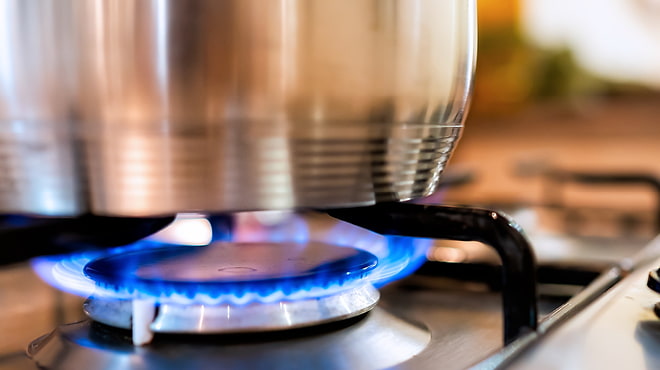
      Gas stove open flame

      It's easy to get a burn on your arm or hand from a hot pan while cooking. Extremely hot water — over 110 degrees Fahrenheit — can cause burns, as can stoves, fires, hot food and the sun.

      Most burns are minor and you can manage them at home, but it's important to know the signs of a more serious burn. More severe burns can cause serious complications and may require emergency treatment. One of the most important things to do is to act fast.

      Burns cause different degrees of damage.

      • A first-degree burn is minor. It affects only the outer layer of the skin.
      • A second-degree burn affects the second layer of skin, called the dermis.
      • A third-degree burn reaches into the deeper layers beneath the skin.

      Treating a minor burn

      There are many myths about how to treat a minor burn. Your questions may include: Should you pop the blister? Do you use hot or cold water on it? Is it good to cover a burn with a bandage?

      Follow these tips for treating a minor burn:

      • Place the burned area under running water slightly colder than room temperature for 10 to 15 minutes or until the pain eases. Or put a cool, clean, damp cloth on the burn.
      • Be aware that the burned area may swell. Remove tight items, such as rings or clothing, from the burned area as quickly as possible.
      • Do not break a blister if it's bigger than your little fingernail. If the blister does break, clean it with mild soap and water. Apply an antibiotic ointment, and cover the area with a bandage or gauze.
      • Applying moisturizer, aloe vera gel or other pain relief gels may provide temporary relief. Don't slather on butter — sometimes mentioned as a home remedy — because it retains heat and could be contaminated with bacteria.
      • Keep the wound covered with a loose dressing to help it stay clean and decrease pain.
      • Ease the pain with an over-the-counter pain reliever, such as Ibuprofen, naproxen or acetaminophen.
      • Make sure you've had a tetanus shot within the last 10 years because you can get tetanus through an open wound in the skin.

      When to see your health care team after a burn

      See your health care team if the symptoms worsen or a larger blister develops. Large blisters are best removed by health care professional as they rarely will remain intact on their own.

      Also, seek care if the burn:

      • Covers a large area of the body
      • Has other associated injuries
      • Has infection-like signs, such as oozing from the wound, increased pain, redness and swelling
      • Involves the area around the eyes, nose or mouth
      • Is severe or deep

      Call 911 for emergency medical help for major burns.

      Get more safety tips:

      • Don't let unsafe toys spoil holiday fun
      • Use caution with fireworks
      • Should super glue be in your first-aid kit?
      • Household safety checklist for senior citizens

      Paul Horvath, M.D., practices emergency medicine in Eau Claire and Menomonie, Wisconsin.

      Topics in this Post
      • Safety
      • Emergency Medicine

      Related Posts

      Bow hunting from tree Aim for a safe, healthy hunting season
      Shoveling snow Tips for safe snow shoveling
      Sitting people enjoying a festival 4 safety tips for summer festivals
      Mayo Clinic Health System
      About Us
      Careers
      Volunteer
      Donate
      Contact Us
      Patient Care
      Patients & Visitors
      Classes & Events
      Mayo Clinic Connect
      Mayo Clinic
      Resources
      Referrals
      Community Resources
      Financial Assistance
      Price Transparency
      Compliance
      Notice of Nondiscrimination
      Notice of Privacy Practices
      No Surprises Act
      Terms of Use
      Manage Cookie
      Privacy Policy
      © 2018 - 2026 Mayo Clinic Health System