• Patient Portal
  • Pay Bill
  • Request Appointment
MCHS_Logo_2024_BLACK
    • Cardiology (Heart)
    • Gastroenterology & Hepatology (Digestive Care)
    • Neurosurgery
    • Obstetrics & Gynecology (OB-GYN)
    • Oncology (Cancer)
    • Orthopedics & Orthopedic Surgery (Bones)
    • Primary Care
    • Spine Care
    • Sports Medicine
    • Virtual Care 24/7
    View all specialties
  • Providers
  • Minnesota

    • Albert Lea
    • Austin
    • Blooming Prairie
    • Butterfield
    • Cannon Falls
    • Fairmont
    • Faribault
    • Lake City
    • Mankato
    • New Prague
    • Northfield
    • Owatonna
    • Plainview
    • Red Wing
    • Sherburn
    • St. James
    • Waseca
    • Zumbrota

    Wisconsin

    • Arcadia
    • Barron
    • Bloomer
    • Chetek
    • Chippewa Falls
    • Eau Claire
    • Ellsworth
    • Glenwood City
    • Holmen
    • La Crosse
    • Menomonie
    • Mondovi
    • Onalaska
    • Osseo
    • Prairie du Chien
    • Rice Lake
    • Sparta
    • Tomah
    mchsmap Map view
    • VirtualCare
      Virtual Care
    • SameDayCare
      Same-Day Care
    • PrimaryCare
      Primary Care
    • SpecialtyCare
      Specialty Care
    • View all care options
    • PrimaryCare
      Billing & Insurance
    • SameDayCare
      Financial Assistance
    • VirtualCare
      Price Transparency
    • Hometown Health
    • Classes & Events
    • Self-guided wellness programs
    • Mayo Clinic Connect
    • Community Resources
  • Patient Portal
  • Pay Bill
  • Request Appointment
MCHS_Logo_2024_BLACK
Search Mayo Clinic Health System
    • Cardiology (Heart)
    • Gastroenterology & Hepatology (Digestive Care)
    • Neurosurgery
    • Obstetrics & Gynecology (OB-GYN)
    • Oncology (Cancer)
    • Orthopedics & Orthopedic Surgery (Bones)
    • Primary Care
    • Spine Care
    • Sports Medicine
    • Virtual Care 24/7
    • View all specialties
  • Providers
    • Minnesota

    • Albert Lea
    • Austin
    • Blooming Prairie
    • Butterfield
    • Cannon Falls
    • Fairmont
    • Faribault
    • Lake City
    • Mankato
    • New Prague
    • Northfield
    • Owatonna
    • Plainview
    • Red Wing
    • Sherburn
    • St. James
    • Waseca
    • Zumbrota

      Wisconsin

    • Arcadia
    • Barron
    • Bloomer
    • Chetek
    • Chippewa Falls
    • Eau Claire
    • Ellsworth
    • Glenwood City
    • Holmen
    • La Crosse
    • Menomonie
    • Mondovi
    • Onalaska
    • Osseo
    • Prairie du Chien
    • Rice Lake
    • Sparta
    • Tomah
    • Map view
    • Virtual Care
    • Same-Day Care
    • Primary Care
    • Specialty Care
    • View all care options
    • Billing & Insurance
    • Financial Assistance
    • Price Transparency
    • Hometown Health
    • Classes & Events
    • Self-guided wellness programs
    • Mayo Clinic Connect
    • Community Resources
Posted By
Paul Horvath, M.D.

Paul Horvath, M.D.

Emergency Medicine (Trauma)

Recent Posts

  • Air purifier
    Speaking of Health
    Cleaner air: Another layer of protection from airborne particles
    July 06, 2023
  • Gas stove open flame
    Speaking of Health
    Ouch! I've burned my hand on a hot pan — now what?
    May 16, 2023
  • Shoveling snow
    Speaking of Health
    Tips for safe snow shoveling
    March 10, 2023
Featured Topics
  • Behavioral Health
  • Cancer
  • Children's Health (Pediatrics)
  • Exercise and Fitness
  • Heart Health
  • Men's Health
  • Neurosurgery
  • Obstetrics and Gynecology
  • Orthopedic Health
  • Weight-loss (Bariatric) Surgery
  • Women's Health
Speaking of Health
Wednesday, June 3, 2020

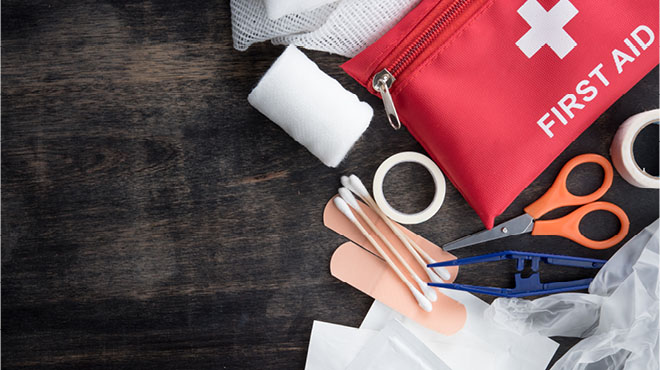
Should super glue be in your first-aid kit?
Topics in this Post
  • Emergency Medicine
  • Safety
First aid kit

Super glue has a long track record of fixing things that are broken. But what happens when that broken thing is you? Could you use super glue on yourself?

Perhaps.

Do I recommend using household super glue to close a wound instead of seeking proper medical treatment?

Not necessarily.

Have people been successfully using super glue to close up small cuts?

Yes.

First and foremost, if you have been injured, it is recommended that you seek proper medical attention.

At Mayo Clinic Health System, we try to make a trip to the Emergency Department as pleasant as possible. One way we have been doing this has been by using a form of super glue (skin adhesive) in place of stitches to close a wound.

Here’s why we use skin adhesive instead of stitches:

  • It is less painful.
  • There are no needle pokes.
  • It is a faster procedure.
  • Often, it does not require a follow-up visit, saving you another trip to the doctor.
  • It does not require sedation.

If you’re a parent reading this, read the last bullet point one more time.

I often see parents bring their child to the Emergency Department needing stitches, and the child becomes fearful. Children may need to be kept still, either by their parents or by sedating medications, for procedure. Parents don’t want their child sedated, and I don’t want to sedate him or her. Skin adhesive allows us to keep needles out of the procedure, limit scarring, and get you and your child in and out of the Emergency Department as quickly as possible.

Skin adhesive is an alternative that can be as effective as stitches when used on the appropriate wound. Usually, that means a small wound; not very deep or wide; not “dirty” or prone to infection; and not on highly mobile parts, such as joints. If the cut meets these criteria, an option for treatment is to use skin adhesive in order to close the wound.

Adhesive use on the face is especially helpful cosmetically. Because the skin on the face isn’t as tight as it is in other places, skin adhesive seals wounds without increased risk of unsightly scarring in the end.

Wounds around the mouth, feet and hands are places on the body that are constantly moving. In these areas, sutures work better.

After you’ve had the adhesive applied:

  • Do not pick at it!
  • Do not use antibiotic ointments over the skin adhesive, as it will dissolve the glue.

Following these two rules of skin adhesive care will allow the wound to heal and get you or your child active again.

Ultimately, the best outcome for you or your child can be assured by visiting a health care provider who can properly treat the wound. Super glue can be a viable option if used under the right circumstances (small and clean cut, not too deep and not infectious). If you choose to use household super glue or even over-the-counter adhesive products, do so with caution and full understanding of the risks, including infection and scarring.

Dr. Paul Horvath is a physician in Emergency Medicine in Barron, Eau Claire and Menomonie, Wisconsin.


Topics in this Post
  • Emergency Medicine
  • Safety

Related Posts

Farmer in tractor cab Farm safety first: Tips for preventing injuries during harvest
Cleaning leaves in rain gutter Think safety in fall as weather changes
Standing outside in winter How to avoid winter slips and falls
Mayo Clinic Health System
About Us
Careers
Volunteer
Donate
Contact Us
Patient Care
Patients & Visitors
Classes & Events
Mayo Clinic Connect
Mayo Clinic
Resources
Referrals
Community Resources
Financial Assistance
Price Transparency
Compliance
Notice of Nondiscrimination
Notice of Privacy Practices
No Surprises Act
Terms of Use
Manage Cookie
Privacy Policy
© 2018 - 2026 Mayo Clinic Health System