• Patient Portal
  • Pay Bill
  • Request Appointment
MCHS_Logo_2024_BLACK
    • Cardiology (Heart)
    • Gastroenterology & Hepatology (Digestive Care)
    • Neurosurgery
    • Obstetrics & Gynecology (OB-GYN)
    • Oncology (Cancer)
    • Orthopedics & Orthopedic Surgery (Bones)
    • Primary Care
    • Spine Care
    • Sports Medicine
    • Virtual Care 24/7
    View all specialties
  • Providers
  • Minnesota

    • Albert Lea
    • Austin
    • Blooming Prairie
    • Butterfield
    • Cannon Falls
    • Fairmont
    • Faribault
    • Lake City
    • Mankato
    • New Prague
    • Northfield
    • Owatonna
    • Plainview
    • Red Wing
    • Sherburn
    • St. James
    • Waseca
    • Zumbrota

    Wisconsin

    • Arcadia
    • Barron
    • Bloomer
    • Chetek
    • Chippewa Falls
    • Eau Claire
    • Ellsworth
    • Glenwood City
    • Holmen
    • La Crosse
    • Menomonie
    • Mondovi
    • Onalaska
    • Osseo
    • Prairie du Chien
    • Rice Lake
    • Sparta
    • Tomah
    mchsmap Map view
    • VirtualCare
      Virtual Care
    • SameDayCare
      Same-Day Care
    • PrimaryCare
      Primary Care
    • SpecialtyCare
      Specialty Care
    • View all care options
    • PrimaryCare
      Billing & Insurance
    • SameDayCare
      Financial Assistance
    • VirtualCare
      Price Transparency
    • Hometown Health
    • Classes & Events
    • Self-guided wellness programs
    • Mayo Clinic Connect
    • Community Resources
  • Patient Portal
  • Pay Bill
  • Request Appointment
MCHS_Logo_2024_BLACK
Search Mayo Clinic Health System
    • Cardiology (Heart)
    • Gastroenterology & Hepatology (Digestive Care)
    • Neurosurgery
    • Obstetrics & Gynecology (OB-GYN)
    • Oncology (Cancer)
    • Orthopedics & Orthopedic Surgery (Bones)
    • Primary Care
    • Spine Care
    • Sports Medicine
    • Virtual Care 24/7
    • View all specialties
  • Providers
    • Minnesota

    • Albert Lea
    • Austin
    • Blooming Prairie
    • Butterfield
    • Cannon Falls
    • Fairmont
    • Faribault
    • Lake City
    • Mankato
    • New Prague
    • Northfield
    • Owatonna
    • Plainview
    • Red Wing
    • Sherburn
    • St. James
    • Waseca
    • Zumbrota

      Wisconsin

    • Arcadia
    • Barron
    • Bloomer
    • Chetek
    • Chippewa Falls
    • Eau Claire
    • Ellsworth
    • Glenwood City
    • Holmen
    • La Crosse
    • Menomonie
    • Mondovi
    • Onalaska
    • Osseo
    • Prairie du Chien
    • Rice Lake
    • Sparta
    • Tomah
    • Map view
    • Virtual Care
    • Same-Day Care
    • Primary Care
    • Specialty Care
    • View all care options
    • Billing & Insurance
    • Financial Assistance
    • Price Transparency
    • Hometown Health
    • Classes & Events
    • Self-guided wellness programs
    • Mayo Clinic Connect
    • Community Resources

Recent Posts

  • ColdfluRSV blog photo
    Speaking of Health
    When to seek care for cold, flu and RSV
    March 10, 2026
  • winter outdoor lady and girl 660x370
    Speaking of Health
    Is your sinus pressure a sinus infection?
    February 09, 2026
  • Izzy Iverson
    Patient Stories
    Unexpected vacation ending leads to rare tumor discovery
    February 05, 2026
Featured Topics
  • Behavioral Health
  • Cancer
  • Children's Health (Pediatrics)
  • Exercise and Fitness
  • Heart Health
  • Men's Health
  • Neurosurgery
  • Obstetrics and Gynecology
  • Orthopedic Health
  • Weight-loss (Bariatric) Surgery
  • Women's Health
Speaking of Health
Thursday, May 15, 2025

Maintaining healthy relationships with age
Topics in this Post
  • Behavioral Health
  • Balance Your Mental and Emotional Health
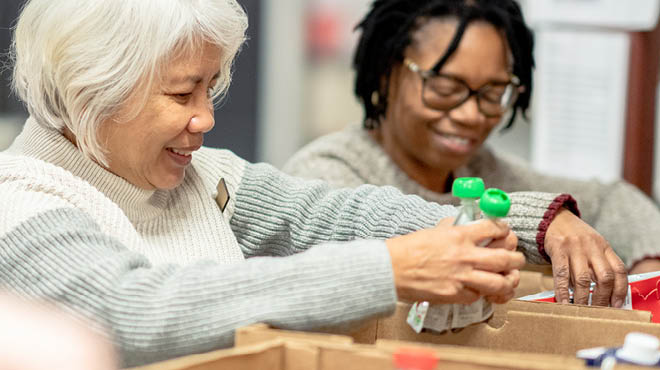
Two people working

Positive relationships can be as important to your health and well-being as nutrition and physical activity. Even though relationships with others may evolve, maintaining a strong social network as you age can contribute to a longer, healthier life.

A social network is simply a group of people close to you. This network — made up of friends, family, co-workers, neighbors and others — is how you give and receive instrumental and emotional support.

Instrumental support is the tangible help you give or receive through acts, such as providing transportation for a neighbor to an appointment or offering child care for friends or family. Emotional support is intended to lift someone's spirits, relieve sadness, give encouragement or offer advice.

Giving relationships direction

Think of your networks and relationships as a convoy traveling down the road of life with you. Some of your relationships are in it for the long haul. Others use the on- or offramps, and some take different roads entirely. Relationships in your convoy change over time, but all provide support and contribute to your well-being along the journey.

As people age, the road can feel lonely. Caring for children or aging parents can make it challenging to maintain friendships. This is normal, and means you must be more intentional about establishing and maintaining relationships, which isn't easy.

Devoting time to relationships

If you're looking to expand your social network, try a few of these ideas:

  • Take note of current connections.
    Do an inventory of who is already in your social network. Are there people you have already met you could reconnect with?
  • Make the effort to reach out.
    In today's connected world, getting in touch with someone is as simple as a phone call, text message or video visit. If you prefer a method involving less technology, send a handwritten card or letter.
  • Go where people are.
    Attend events, church or community activities. Look for classes or groups with people who have interests similar to yours.
  • Reap the benefits of volunteering.
    Join or volunteer for a club or cause that interests you. Volunteering not only improves your physical and mental health, and provides a sense of purpose, but it's also a great way to build new relationships.
  • Extend and accept invitations.
    Don't worry if your social skills feel a bit rusty. An invitation to meet for coffee or go for a walk around the neighborhood may brighten someone else's day as much as it does yours.
  • Be available.
    Relationships take time and effort. Whether connecting with a friend you've known for a long time or someone you just met, be present in the moment, and give your full attention to the person and situation.

In addition to helping provide the necessary support, establishing and maintaining positive relationships also is good for your health. They can boost your happiness, reduce stress, improve confidence and help you cope with traumatic events.

Adults with a strong social network have a reduced risk of depression, lower blood pressure and tend to maintain a healthier body mass index, or BMI. Building new friendships and investing time in maintaining relationships can help you on the highway of life and the path to better health.

By Mayo Clinic Health System Staff

Topics in this Post
  • Behavioral Health
  • Balance Your Mental and Emotional Health

Related Posts

Person outdoors with eyes closed, using earbud 5, 4, 3, 2, 1: Countdown to take control of anxiety
Child and parent holiday crafting Coping with holiday stress: Keeping realistic expectations
Mixing paint colors on palette From nightmare to recovery: Unraveling the mysteries of PTSD
Mayo Clinic Health System
About Us
Careers
Volunteer
Donate
Contact Us
Patient Care
Patients & Visitors
Classes & Events
Mayo Clinic Connect
Mayo Clinic
Resources
Referrals
Community Resources
Financial Assistance
Price Transparency
Compliance
Notice of Nondiscrimination
Notice of Privacy Practices
No Surprises Act
Terms of Use
Manage Cookie
Privacy Policy
© 2018 - 2026 Mayo Clinic Health System