• Patient Portal
  • Pay Bill
  • Request Appointment
MCHS_Logo_2024_BLACK
    • Cardiology (Heart)
    • Gastroenterology & Hepatology (Digestive Care)
    • Neurosurgery
    • Obstetrics & Gynecology (OB-GYN)
    • Oncology (Cancer)
    • Orthopedics & Orthopedic Surgery (Bones)
    • Primary Care
    • Spine Care
    • Sports Medicine
    • Urology
    View all specialties
  • Providers
  • Minnesota

    • Albert Lea
    • Austin
    • Blooming Prairie
    • Butterfield
    • Cannon Falls
    • Fairmont
    • Faribault
    • Lake City
    • Mankato
    • New Prague
    • Northfield
    • Owatonna
    • Plainview
    • Red Wing
    • Sherburn
    • St. James
    • Waseca
    • Zumbrota

    Wisconsin

    • Arcadia
    • Barron
    • Bloomer
    • Chetek
    • Chippewa Falls
    • Eau Claire
    • Ellsworth
    • Glenwood City
    • Holmen
    • La Crosse
    • Menomonie
    • Mondovi
    • Onalaska
    • Osseo
    • Prairie du Chien
    • Rice Lake
    • Sparta
    • Tomah
    mchsmap Map view
    • VirtualCare
      Virtual Care
    • SameDayCare
      Same-Day Care
    • PrimaryCare
      Primary Care
    • SpecialtyCare
      Specialty Care
    • View all care options
    • PrimaryCare
      Billing & Insurance
    • SameDayCare
      Financial Assistance
    • VirtualCare
      Price Transparency
  • Health & Wellness Resources
    • Patient Portal
    • Pay Bill
    • Request Appointment
    MCHS_Logo_2024_BLACK
        • Cardiology (Heart)
        • Gastroenterology & Hepatology (Digestive Care)
        • Neurosurgery
        • Obstetrics & Gynecology (OB-GYN)
        • Oncology (Cancer)
        • Orthopedics & Orthopedic Surgery (Bones)
        • Primary Care
        • Spine Care
        • Sports Medicine
        • Urology
        • View all specialties
      • Providers
        • Minnesota

        • Albert Lea
        • Austin
        • Blooming Prairie
        • Butterfield
        • Cannon Falls
        • Fairmont
        • Faribault
        • Lake City
        • Mankato
        • New Prague
        • Northfield
        • Owatonna
        • Plainview
        • Red Wing
        • Sherburn
        • St. James
        • Waseca
        • Zumbrota

          Wisconsin

        • Arcadia
        • Barron
        • Bloomer
        • Chetek
        • Chippewa Falls
        • Eau Claire
        • Ellsworth
        • Glenwood City
        • Holmen
        • La Crosse
        • Menomonie
        • Mondovi
        • Onalaska
        • Osseo
        • Prairie du Chien
        • Rice Lake
        • Sparta
        • Tomah
        • Map view
        • Virtual Care
        • Same-Day Care
        • Primary Care
        • Specialty Care
        • View all care options
        • Billing & Insurance
        • Financial Assistance
        • Price Transparency
      • Health & Wellness Resources

      Recent Posts

      • TreatingNewbornJaundice_Blog_660x370
        Speaking of Health
        Newborn jaundice and light therapy
        December 09, 2025
      • Don H patient blog image
        Patient Stories
        A lifesaver saved: An EMS veteran’s journey from rescue to recovery
        November 14, 2025
      • Child eating apple
        Speaking of Health
        How to help your child reach a healthy weight
        October 29, 2025
      Featured Topics
      • Behavioral Health
      • Cancer
      • Children's Health (Pediatrics)
      • Exercise and Fitness
      • Heart Health
      • Men's Health
      • Neurosurgery
      • Obstetrics and Gynecology
      • Orthopedic Health
      • Weight-loss (Bariatric) Surgery
      • Women's Health
      Speaking of Health
      Wednesday, September 30, 2020

      Breast cancer awareness saves lives

      Topics in this Post
      • Breast Cancer
      • Women's Health
      Breast cancer awareness pink ribbon

      About 250,000 women in the U.S. are diagnosed with breast cancer each year, with nearly 40,000 women dying from the disease annually. On average, a woman who lives to be 90 or older has between a 10% and 15% chance of developing breast cancer.

      Although prognosis and detection have improved in recent years, awareness, healthy lifestyle choices and screenings are still vital to reducing the impact of breast cancer.

      Consider this information to help you better understand breast cancer:

      There are lifestyle changes you can make to help reduce the risk of breast cancer, such as:

      • Maintain a healthy weight.
        If you are at a healthy weight, continue to eat healthy and exercise to maintain it. If you looking to drop extra pounds, get regular exercise and eat a diet rich in fruits, vegetables, whole grains and lean protein. Avoid foods high in saturated fat and sugar.
      • Adopt a physically active lifestyle.
        Aim for 150 minutes of moderate exercise each week. Get creative and make your workouts fun. A casual sporting activity or working in your garden are perfectly acceptable forms of exercise.
      • Consume alcohol in moderation.
        Don't have more than one drink per day.
      • Avoid or limit the duration of postmenopausal hormone therapy.
        This type of combination hormone therapy may make women more susceptible to breast cancer.

      Breast cancer warning signs

      Breast cancer is the most commonly diagnosed cancer and the fifth leading cause of death among women according to the Centers for Disease Control and Prevention (CDC).

      General warning signs of breast cancer include:

      • General breast pain
      • A new lump in the breast
      • Breast thickening or swelling
      • Shift in the breast shape or size
      • Changes in the nipple, including bloody discharge

      If you notice any of these symptoms, contact your health care provider as soon as possible.

      Breast cancer screenings

      Detecting breast cancer early is key to the best possible outcomes. Undiagnosed breast cancer can lead to serious complications and even death.

      Women should become familiar with their breasts and conduct regular self-exams to ensure there are no lumps or other red flags.

      A mammogram, or X-ray of the breast, is a proven method of determining if you have any breast abnormalities. Although mammograms don't reduce the risk of developing breast cancer, screening does allow your doctor to detect breast cancer in its early stages, which is important for effective diagnosis and treatment.

      Start having yearly mammograms at age 40. If you have family history of breast cancer, start your exams 10 years prior to your family member's diagnosis. For example, begin yearly mammograms at 37 if your mother was diagnosed at 47.

      In addition, a yearly physical exam is a good way to review your risk for breast cancer and discuss an appropriate screening schedule. And, as always, your health care provider is the best resource for any questions or concerns about your health.

      This October, be breast-conscious and help raise awareness for breast cancer prevention.

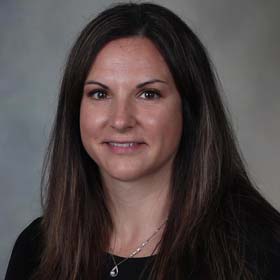
      Paula Gill, M.D., is an oncologist in La Crosse, Wisconsin.
      Topics in this Post
      • Breast Cancer
      • Women's Health

      Related Posts

      Amy Lloyd, M.D. Defend yourself against breast cancer
      Looking down at tablet, wearing a grey sweater Prioritize your health: Breast cancer risk, treatment
      3D tomography 3D technology provides enhanced breast cancer detection
      Mayo Clinic Health System
      About Us
      Careers
      Volunteer
      Donate
      Contact Us
      Patient Care
      Patients & Visitors
      Classes & Events
      Mayo Clinic Connect
      Mayo Clinic
      Resources
      Referrals
      Community Resources
      Financial Assistance
      Price Transparency
      Compliance
      Notice of Nondiscrimination
      Notice of Privacy Practices
      No Surprises Act
      Terms of Use
      Manage Cookie
      Privacy Policy
      © 2018 - 2026 Mayo Clinic Health System