• Patient Portal
  • Pay Bill
  • Request Appointment
MCHS_Logo_2024_BLACK
    • Cardiology (Heart)
    • Gastroenterology & Hepatology (Digestive Care)
    • Neurosurgery
    • Obstetrics & Gynecology (OB-GYN)
    • Oncology (Cancer)
    • Orthopedics & Orthopedic Surgery (Bones)
    • Primary Care
    • Spine Care
    • Sports Medicine
    • Urology
    View all specialties
  • Providers
  • Minnesota

    • Albert Lea
    • Austin
    • Blooming Prairie
    • Butterfield
    • Cannon Falls
    • Fairmont
    • Faribault
    • Lake City
    • Mankato
    • New Prague
    • Northfield
    • Owatonna
    • Plainview
    • Red Wing
    • Sherburn
    • St. James
    • Waseca
    • Zumbrota

    Wisconsin

    • Arcadia
    • Barron
    • Bloomer
    • Chetek
    • Chippewa Falls
    • Eau Claire
    • Ellsworth
    • Glenwood City
    • Holmen
    • La Crosse
    • Menomonie
    • Mondovi
    • Onalaska
    • Osseo
    • Prairie du Chien
    • Rice Lake
    • Sparta
    • Tomah
    mchsmap Map view
    • VirtualCare
      Virtual Care
    • SameDayCare
      Same-Day Care
    • PrimaryCare
      Primary Care
    • SpecialtyCare
      Specialty Care
    • View all care options
    • PrimaryCare
      Billing & Insurance
    • SameDayCare
      Financial Assistance
    • VirtualCare
      Price Transparency
  • Health & Wellness Resources
    • Patient Portal
    • Pay Bill
    • Request Appointment
    MCHS_Logo_2024_BLACK
        • Cardiology (Heart)
        • Gastroenterology & Hepatology (Digestive Care)
        • Neurosurgery
        • Obstetrics & Gynecology (OB-GYN)
        • Oncology (Cancer)
        • Orthopedics & Orthopedic Surgery (Bones)
        • Primary Care
        • Spine Care
        • Sports Medicine
        • Urology
        • View all specialties
      • Providers
        • Minnesota

        • Albert Lea
        • Austin
        • Blooming Prairie
        • Butterfield
        • Cannon Falls
        • Fairmont
        • Faribault
        • Lake City
        • Mankato
        • New Prague
        • Northfield
        • Owatonna
        • Plainview
        • Red Wing
        • Sherburn
        • St. James
        • Waseca
        • Zumbrota

          Wisconsin

        • Arcadia
        • Barron
        • Bloomer
        • Chetek
        • Chippewa Falls
        • Eau Claire
        • Ellsworth
        • Glenwood City
        • Holmen
        • La Crosse
        • Menomonie
        • Mondovi
        • Onalaska
        • Osseo
        • Prairie du Chien
        • Rice Lake
        • Sparta
        • Tomah
        • Map view
        • Virtual Care
        • Same-Day Care
        • Primary Care
        • Specialty Care
        • View all care options
        • Billing & Insurance
        • Financial Assistance
        • Price Transparency
      • Health & Wellness Resources
      Posted By
      Michelle Frischmann CNP APNP

      Shelly Frischmann, C.N.P., A.P.N.P.

      Family Medicine, Primary Care

      Featured Topics
      • Behavioral Health
      • Cancer
      • Children's Health (Pediatrics)
      • Exercise and Fitness
      • Heart Health
      • Men's Health
      • Neurosurgery
      • Obstetrics and Gynecology
      • Orthopedic Health
      • Weight-loss (Bariatric) Surgery
      • Women's Health
      Speaking of Health
      Friday, October 20, 2023

      Best foods to eat when you have a stomach 'bug'
      Topics in this Post
      • Gastrointestinal Health
      • Family Medicine
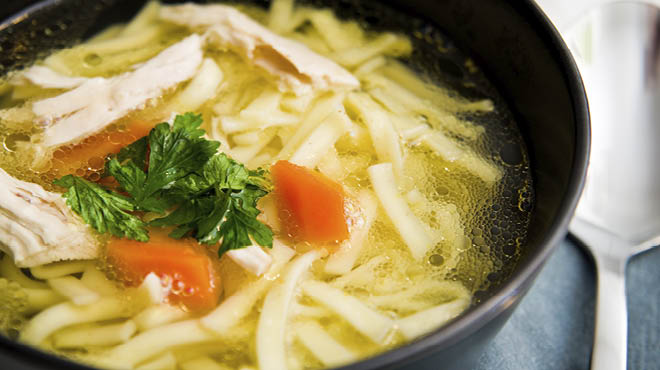
      Chicken noodle soup

      Viral gastroenteritis is an intestinal infection marked by watery diarrhea, abdominal cramps, nausea or vomiting, headache, muscle aches and sometimes fever. It's often called a stomach bug or the stomach flu, but it's not actually the flu or influenza, which is a respiratory illness. This infection often develops though contact with an infected person or by ingesting contaminated food or water.

      An upset stomach is a common symptom of a stomach bug, which can make eating sound unappealing, even though you may be hungry. Knowing what to eat is difficult because you don't know what will agree with your stomach.

      Follow these tips for fueling your body when you have viral gastroenteritis:

      • Let your stomach settle.
        Avoid eating solid foods for a few hours. Instead, drink liquids like broths, teas, sodas or noncaffeinated sports drinks.
      • Hydrate.
        Focus on drinking in small amounts of liquid frequently to stay hydrated.
      • Ease back into eating.
        After you can tolerate drinking clear fluids, start eating smaller meals of bland, low-residual foods, such as mashed potatoes, plain noodles, crackers, toast, gelatin, bananas, rice and chicken.
      • Be cautious with medications.
        It's best to use over-the-counter medications like ibuprofen sparingly as they can cause an upset stomach. Discuss your medications with your healthcare team to avoid any potential side effects. If your symptoms are severe, you may need to use an over-the-counter medication to help decrease diarrhea symptoms or an anti-nausea medicine to help you keep food and fluids down with vomiting.

      The main complication of a stomach bug is dehydration, which is a severe loss of water and essential salts and minerals. You can lower the risk of dehydration by drinking enough fluids to replace those lost from vomiting or diarrhea.

      Depending on the cause, viral gastroenteritis symptoms generally appear about one to three days after exposure. Symptoms can be mild or, at times, severe and last for a few days to a week.

      When to see a healthcare professional

      Although viral gastroenteritis is extremely common, it can usually be managed at home. Red flags or worrisome symptoms that would prompt a visit to your healthcare team are severe dehydration, not being able to keep fluids down, bloody stools, severe abdominal pain or when symptoms last longer than one week. Young children, older adults and people with compromised immune systems are more likely to have complications related to viral gastroenteritis.

      Prevention

      Good hand hygiene and proper food handling are essential to prevent you from getting sick and to limit the spread of viral gastroenteritis within a household, school, workplace and the community. Ensure you wash your hands with soap and water, especially after using the bathroom, before preparing food and eating. Stomach bugs most commonly are seen in the winter and spring, so it's important to be diligent, especially this time of year.

      Shelly Frischmann is a nurse practitioner in Family Medicine in Onalaska, Wisconsin.

      Topics in this Post
      • Gastrointestinal Health
      • Family Medicine

      Related Posts

      Partners hands on pregnant belly Supporting pregnancy and family-building for LGBTQ+ community
      Dsiposing syringe in sharps container Get to the point: Proper disposal of sharps
      Hands spreading lotion What to do about dry skin
      Mayo Clinic Health System
      About Us
      Careers
      Volunteer
      Donate
      Contact Us
      Patient Care
      Patients & Visitors
      Classes & Events
      Mayo Clinic Connect
      Mayo Clinic
      Resources
      Referrals
      Community Resources
      Financial Assistance
      Price Transparency
      Compliance
      Notice of Nondiscrimination
      Notice of Privacy Practices
      No Surprises Act
      Terms of Use
      Manage Cookie
      Privacy Policy
      © 2018 - 2026 Mayo Clinic Health System