• Patient Portal
  • Pay Bill
  • Request Appointment
MCHS_Logo_2024_BLACK
    • Cardiology (Heart)
    • Gastroenterology & Hepatology (Digestive Care)
    • Neurosurgery
    • Obstetrics & Gynecology (OB-GYN)
    • Oncology (Cancer)
    • Orthopedics & Orthopedic Surgery (Bones)
    • Primary Care
    • Spine Care
    • Sports Medicine
    • Virtual Care 24/7
    View all specialties
  • Providers
  • Minnesota

    • Albert Lea
    • Austin
    • Blooming Prairie
    • Butterfield
    • Cannon Falls
    • Fairmont
    • Faribault
    • Lake City
    • Mankato
    • New Prague
    • Northfield
    • Owatonna
    • Plainview
    • Red Wing
    • Sherburn
    • St. James
    • Waseca
    • Zumbrota

    Wisconsin

    • Arcadia
    • Barron
    • Bloomer
    • Chetek
    • Chippewa Falls
    • Eau Claire
    • Ellsworth
    • Glenwood City
    • Holmen
    • La Crosse
    • Menomonie
    • Mondovi
    • Onalaska
    • Osseo
    • Prairie du Chien
    • Rice Lake
    • Sparta
    • Tomah
    mchsmap Map view
    • VirtualCare
      Virtual Care
    • SameDayCare
      Same-Day Care
    • PrimaryCare
      Primary Care
    • SpecialtyCare
      Specialty Care
    • View all care options
    • PrimaryCare
      Billing & Insurance
    • SameDayCare
      Financial Assistance
    • VirtualCare
      Price Transparency
    • Hometown Health
    • Classes & Events
    • Self-guided wellness programs
    • Mayo Clinic Connect
    • Community Resources
  • Patient Portal
  • Pay Bill
  • Request Appointment
MCHS_Logo_2024_BLACK
Search Mayo Clinic Health System
    • Cardiology (Heart)
    • Gastroenterology & Hepatology (Digestive Care)
    • Neurosurgery
    • Obstetrics & Gynecology (OB-GYN)
    • Oncology (Cancer)
    • Orthopedics & Orthopedic Surgery (Bones)
    • Primary Care
    • Spine Care
    • Sports Medicine
    • Virtual Care 24/7
    • View all specialties
  • Providers
    • Minnesota

    • Albert Lea
    • Austin
    • Blooming Prairie
    • Butterfield
    • Cannon Falls
    • Fairmont
    • Faribault
    • Lake City
    • Mankato
    • New Prague
    • Northfield
    • Owatonna
    • Plainview
    • Red Wing
    • Sherburn
    • St. James
    • Waseca
    • Zumbrota

      Wisconsin

    • Arcadia
    • Barron
    • Bloomer
    • Chetek
    • Chippewa Falls
    • Eau Claire
    • Ellsworth
    • Glenwood City
    • Holmen
    • La Crosse
    • Menomonie
    • Mondovi
    • Onalaska
    • Osseo
    • Prairie du Chien
    • Rice Lake
    • Sparta
    • Tomah
    • Map view
    • Virtual Care
    • Same-Day Care
    • Primary Care
    • Specialty Care
    • View all care options
    • Billing & Insurance
    • Financial Assistance
    • Price Transparency
    • Hometown Health
    • Classes & Events
    • Self-guided wellness programs
    • Mayo Clinic Connect
    • Community Resources

Recent Posts

  • PinkEyePCOD_Blog_660x370
    Speaking of Health
    Pink eye: Symptoms, causes and when to seek care
    April 06, 2026
  • ColdfluRSV blog photo
    Speaking of Health
    When to seek care for cold, flu and RSV
    March 10, 2026
  • winter outdoor lady and girl 660x370
    Speaking of Health
    Is your sinus pressure a sinus infection?
    February 09, 2026
Featured Topics
  • Behavioral Health
  • Cancer
  • Children's Health (Pediatrics)
  • Exercise and Fitness
  • Heart Health
  • Men's Health
  • Neurosurgery
  • Obstetrics and Gynecology
  • Orthopedic Health
  • Weight-loss (Bariatric) Surgery
  • Women's Health
Speaking of Health
Tuesday, September 9, 2025

Balancing the risks, benefits of alcohol

Topics in this Post
  • Nutrition
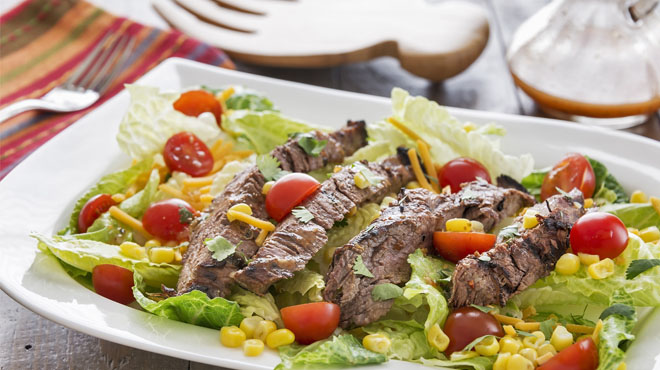
Forking salad, glass of wine on table

Moderate intake of alcohol appears to have relatively low health risk for many people. However, alcohol consumption remains a challenging lifestyle factor to study, as most of what health care professionals know about its effects comes from observational research.

To date, no long-term randomized trials of alcohol consumption have been completed. Also, multiple lifestyle factors are associated with patterns of alcohol use and can confound research results.

It is possible that many of the health benefits and risk associated with alcohol consumption could be unrelated to the alcohol intake itself. Because of these factors, experts disagree on a safe or recommended amount of alcohol to consume.

Defining moderate alcohol use

Moderate drinking is defined by the Dietary Guidelines for Americans 2020–2025 as:
  • Females
    Up to one drink per day, or no more than three drinks on any single day, and no more than seven drinks per week
  • Males
    Up to two drinks per day, or no more than four drinks on any single day and no more than 14 drinks per week
A standard drink is typically defined as:
  • Beer: 12 fluid ounces (355 milliliters)
  • Wine: 5 fluid ounces (148 milliliters)
  • Distilled spirits (80 proof): 1.5 fluid ounces (44 milliliters)

These recommendations pertain to people of legal drinking age. Many studies show significant risks for children under 21 who drink alcohol. Therefore, no amount of alcohol is recommended for this age group.

Recommendations for safe alcohol intake is generally lower in females due to smaller body size; lower muscle mass; and lower levels of alcohol dehydrogenase, which is the enzyme that breaks down alcohol. People with specific medical conditions or those who take specific medications should avoid alcohol, as no level can be reliably regarded as safe.

Benefits and risks of moderate alcohol use

Consider the benefits and risks of moderate alcohol use.

Potential benefits:

  • Some studies have found that moderate drinkers had lower mortality rates, compared to abstainers or heavy drinkers.
  • Research has found the risk of diabetes is lower in those who consume alcohol moderately.
  • Several studies have displayed lower risk of dementia or decreased cognitive decline over time with mild to moderate alcohol intake.
  • Moderate alcohol intake can reduce the risk of developing gallstones.
  • Evidence suggests that mild to moderate alcohol consumption decreases the risk of coronary heart disease and cardiovascular mortality.

Potential risks:

  • Alcohol use has been associated with increased risk of several types of cancer, including breast, gastrointestinal, and head and neck cancers.
  • Heavy alcohol use can increase the risk of liver disease.
  • Heavy alcohol use increases the risk of acute and chronic pancreatitis.
  • Alcohol intake is associated with increased risk of gout flare in patients who have gout.
  • Intake of alcohol increases the risk of morbidity and mortality from trauma. Driving ability can be impaired with blood alcohol concentration as low as 0.02 percent. The legal driving limit is 0.08 percent.

Some research suggests that wine provides the strongest protection against cardiovascular disease, possibly due to naturally occurring compounds known as flavonoids. However, other studies indicate that all alcoholic beverages offer cardioprotective benefits. Whether beverage type matters for other diseases remains uncertain, although most evidence suggests that it does not.

People who do not drink should not start drinking alcohol for the sole purpose of its potential health benefits. Those who do choose to drink should do so in moderation. Talk with your health care provider to understand your specific risks and benefits regarding alcohol use.

By Mayo Clinic Health System staff. 

Topics in this Post
  • Nutrition

Related Posts

Microwave popcorn in bowl Discover popcorn's healthy side
Roasted vegetables Eat the rainbow for good health
Crackers with veggie topping Game day grub: Tips for winning with party food choices
Mayo Clinic Health System
About Us
Careers
Volunteer
Donate
Contact Us
Patient Care
Patients & Visitors
Classes & Events
Mayo Clinic Connect
Mayo Clinic
Resources
Referrals
Community Resources
Financial Assistance
Price Transparency
Compliance
Notice of Nondiscrimination
Notice of Privacy Practices
No Surprises Act
Terms of Use
Manage Cookie
Privacy Policy
© 2018 - 2026 Mayo Clinic Health System