• Patient Portal
  • Pay Bill
  • Request Appointment
MCHS_Logo_2024_BLACK
    • Cardiology (Heart)
    • Gastroenterology & Hepatology (Digestive Care)
    • Neurosurgery
    • Obstetrics & Gynecology (OB-GYN)
    • Oncology (Cancer)
    • Orthopedics & Orthopedic Surgery (Bones)
    • Primary Care
    • Spine Care
    • Sports Medicine
    • Virtual Care 24/7
    View all specialties
  • Providers
  • Minnesota

    • Albert Lea
    • Austin
    • Blooming Prairie
    • Butterfield
    • Cannon Falls
    • Fairmont
    • Faribault
    • Lake City
    • Mankato
    • New Prague
    • Northfield
    • Owatonna
    • Plainview
    • Red Wing
    • Sherburn
    • St. James
    • Waseca
    • Zumbrota

    Wisconsin

    • Arcadia
    • Barron
    • Bloomer
    • Chetek
    • Chippewa Falls
    • Eau Claire
    • Ellsworth
    • Glenwood City
    • Holmen
    • La Crosse
    • Menomonie
    • Mondovi
    • Onalaska
    • Osseo
    • Prairie du Chien
    • Rice Lake
    • Sparta
    • Tomah
    mchsmap Map view
    • VirtualCare
      Virtual Care
    • SameDayCare
      Same-Day Care
    • PrimaryCare
      Primary Care
    • SpecialtyCare
      Specialty Care
    • View all care options
    • PrimaryCare
      Billing & Insurance
    • SameDayCare
      Financial Assistance
    • VirtualCare
      Price Transparency
    • Hometown Health
    • Classes & Events
    • Self-guided wellness programs
    • Mayo Clinic Connect
    • Community Resources
  • Patient Portal
  • Pay Bill
  • Request Appointment
MCHS_Logo_2024_BLACK
Search Mayo Clinic Health System
    • Cardiology (Heart)
    • Gastroenterology & Hepatology (Digestive Care)
    • Neurosurgery
    • Obstetrics & Gynecology (OB-GYN)
    • Oncology (Cancer)
    • Orthopedics & Orthopedic Surgery (Bones)
    • Primary Care
    • Spine Care
    • Sports Medicine
    • Virtual Care 24/7
    • View all specialties
  • Providers
    • Minnesota

    • Albert Lea
    • Austin
    • Blooming Prairie
    • Butterfield
    • Cannon Falls
    • Fairmont
    • Faribault
    • Lake City
    • Mankato
    • New Prague
    • Northfield
    • Owatonna
    • Plainview
    • Red Wing
    • Sherburn
    • St. James
    • Waseca
    • Zumbrota

      Wisconsin

    • Arcadia
    • Barron
    • Bloomer
    • Chetek
    • Chippewa Falls
    • Eau Claire
    • Ellsworth
    • Glenwood City
    • Holmen
    • La Crosse
    • Menomonie
    • Mondovi
    • Onalaska
    • Osseo
    • Prairie du Chien
    • Rice Lake
    • Sparta
    • Tomah
    • Map view
    • Virtual Care
    • Same-Day Care
    • Primary Care
    • Specialty Care
    • View all care options
    • Billing & Insurance
    • Financial Assistance
    • Price Transparency
    • Hometown Health
    • Classes & Events
    • Self-guided wellness programs
    • Mayo Clinic Connect
    • Community Resources

Recent Posts

  • ColdfluRSV blog photo
    Speaking of Health
    When to seek care for cold, flu and RSV
    March 10, 2026
  • winter outdoor lady and girl 660x370
    Speaking of Health
    Is your sinus pressure a sinus infection?
    February 09, 2026
  • Izzy Iverson
    Patient Stories
    Unexpected vacation ending leads to rare tumor discovery
    February 05, 2026
Featured Topics
  • Behavioral Health
  • Cancer
  • Children's Health (Pediatrics)
  • Exercise and Fitness
  • Heart Health
  • Men's Health
  • Neurosurgery
  • Obstetrics and Gynecology
  • Orthopedic Health
  • Weight-loss (Bariatric) Surgery
  • Women's Health
Speaking of Health
Friday, September 30, 2022

Pregnancy and respiratory illnesses: Tips to reduce your flu risks
Topics in this Post
  • Obstetrics and Gynecology
  • Prenatal Care
  • Influenza
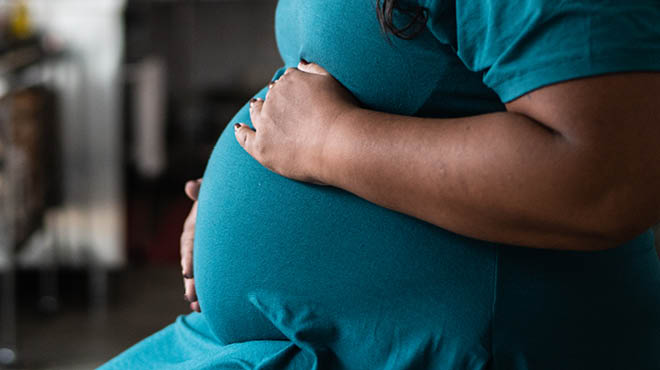
Close up of pregnant belly

Flu season usually starts in the fall, peaks during the height of winter and tapers around spring. Other respiratory illnesses, including respiratory syncytial virus, enterovirus, the common cold and COVID-19, also can spread during flu season and cause flu-like symptoms.

One of the best ways to protect yourself from illness is to get a seasonal flu shot. Vaccination is vital for those at higher risk of complications, including people who are pregnant.

A person's risk of getting sicker from influenza, from COVID-19, from any kind of pulmonary respiratory disease increases during pregnancy.

Pregnancy tends to be an immunocompromised health status. You have another human growing inside you that your body needs not to reject. Your body puts your immunity down a little bit. Another reason is that pregnancy makes people breath faster due to chemicals in the blood and anatomic changes as the baby grows.

The benefits of vaccination can protect both adult and baby. A study published in Clinical Infectious Diseases found that flu vaccination reduced hospitalization during pregnancy by up to 40%. Antibodies developed from a flu shot during pregnancy pass through the placenta (and through breast milk if breastfed). Those antibodies protect the baby from the flu after birth.

The Centers for Disease Control and Prevention (CDC) recommends annual flu vaccination for everyone 6 months or older. Vaccination can reduce your risk of the flu and its severity, lowering the risk of having severe illness from the flu and needing hospitalization.

People who are pregnant should get the flu shot made from an inactivated virus and not the flu nasal spray vaccine, which is a live vaccine. It's not a virus that the baby can get infected by, it doesn't give you the flu, and it doesn't make you sick, although occasionally you can have some mild aches or arm soreness.

Tips to stay healthy during flu season

Along with vaccination, follow these tips to stay healthy during flu season:

  • Get adequate rest.
  • Eat a healthy diet, especially fruits and vegetables.
  • Get regular exercise.
  • Stay home when sick.
  • Keep your children home when they are sick.
  • Avoid others if they are sick.
  • Follow your pregnancy plan.

Know your immunization status

It's worth knowing your immunization status for measles, mumps, rubella and chickenpox during pregnancy because we are starting to see a rise again in those diseases due to a lack of immunization in the last few years. If you're not immune or have not had chickenpox, you should stay away from people that have active shingles because they're possibly shedding chickenpox virus.

The CDC recommends everyone get their flu shot by the end of October. People who are pregnant also are encouraged to get their COVID-19 vaccination and booster when eligible.

The COVID-19 vaccine also has offered some protection to the baby after birth. Infants are vulnerable, particularly to respiratory disease. And so, getting vaccinated during pregnancy not only helps you not get sick, but also helps your baby not get sick.

Thomas Howell Jr., M.D., in an OB-GYN in Faribault, Minnesota.
Topics in this Post
  • Obstetrics and Gynecology
  • Prenatal Care
  • Influenza

Related Posts

Pregnant women hand on belly COVID-19 vaccines and pregnancy: 4 common Q&A
Wearing ivory knit sweater and hoop earrings, looking out window Ectopic pregnancy: Signs, treatment and future fertility
Man and woman sitting and looking at each other Sexually transmitted diseases: What you need to know
Mayo Clinic Health System
About Us
Careers
Volunteer
Donate
Contact Us
Patient Care
Patients & Visitors
Classes & Events
Mayo Clinic Connect
Mayo Clinic
Resources
Referrals
Community Resources
Financial Assistance
Price Transparency
Compliance
Notice of Nondiscrimination
Notice of Privacy Practices
No Surprises Act
Terms of Use
Manage Cookie
Privacy Policy
© 2018 - 2026 Mayo Clinic Health System