Posted By

Recent Posts
-
Speaking of HealthExercise conundrum: When's the best time to work out?
-
Speaking of HealthWhy your IT band can be a pain in the leg
-
Patient StoriesBeat goes on for drummer with calcific tendonitis

Post-race recovery tips for runners
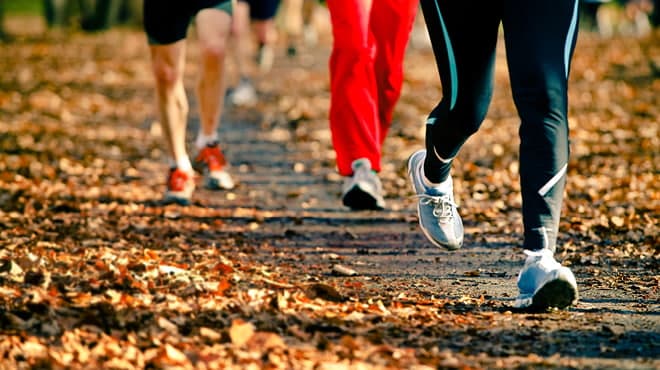
Congratulations! You've just finished a marathon or other running event.
Now recovery begins.
Now recovery begins. Every runner's recovery journey is different, but the right approach can help reduce soreness, restore energy and prepare your body for future training. Sports medicine experts often recommend focusing on hydration, nutrition, movement and rest in the days following a race. Try this three-phase approach for best results.
Phase one: Immediately after you finish
Once you've crossed the finish line, it's imperative to focus on recovery.
You can start swapping stories as soon as you've taken a few basic steps:
- When you stop running, your body immediately enters recovery mode. Even on a warm day, you can feel yourself getting cold and clammy. Avoid this by wrapping up in a foil blanket or other covering, then changing into warm, soft clothes — including footwear — as soon as possible. Injuries aside, another pair of shoes is helpful to keep your feet from swelling and give them much-needed support.
- Start rehydrating as soon as possible after your race. Weighing yourself before and after the event can help determine how much fluid you've lost through sweat. A good rule of thumb is to drink 16 to 20 ounces of fluid for every pound lost.
- Find a way to lie down and put your feet up. After several hours of hard work, your body needs help recovering. Besides, this is just plain relaxing. Try keeping your feet elevated for 15–25 minutes. It's recommended you do this several more times during the day.
- You'll need a recovery meal containing protein, preferably in liquid form. Avoid processed fruit juices or other sugary substitutes. Instead, consume something you enjoy that's easy on your stomach. Use what has worked in training, but make sure you have something to eat within the first 30 minutes after your event.
- If you've sustained an injury, such as a blister or muscle strain, now you can begin assessing the extent of the damage and seek help. Your brain will be much clearer, and if you need to go somewhere or wait in line, at least your basic needs will have been met.
Phase two: 12–24 hours post-race
By now, you've found your friends and family. Maybe you're even home or at your hotel and are thinking about your next meal. The first 24 hours after a race play an important role in helping your body recover and reducing the risk of lingering soreness or injury.
Here are some key things you can do:
- Take a shower or bath to rejuvenate your body and help identify any issues.
If possible, consider a cool or cold bath to help promote recovery. You also can add some light, static stretching that should be easy and comfortable on your muscles, and they should feel better when done. - Focus on a proper meal.
As you choose your foods, try to keep them reasonably healthy, and drink lots of water. - You've earned the right to celebrate, but don't overdo it.
Your body is still recovering. Limit the amount of alcohol you consume and how long you stand on your feet. - Get some well-deserved sleep.
You'll likely be so tired that falling asleep won't be an issue. The problem is you'll probably be so sore that staying asleep could be harder than you think. Put plenty of fluids — and maybe even a snack — on your bedside table, and keep your feet elevated.
Phase three: Two–three days post-race
After 72 hours, you'll be through the toughest part of your recovery process. But some of the greatest need for recovery takes place during this period. This also is when runners often begin to recognize the difference between typical post-race soreness and symptoms that may require additional attention.
These tips can help you weather this last phase:
- Do your best to avoid being stationary, other than sleeping.
Light walking, an easy dip in the pool, or a short spin on an exercise bike will help your muscles flush out toxins and aftereffects of the race. Frequent rest will be needed, but total rest is your enemy here. - Continue to eat healthy.
Focus on proteins and quality carbohydrates, such as fruits and vegetables, especially when your body is vulnerable. A treat or two is all right, but try to save the serious snack attacks until you can savor the food. - Lightly working on your calves, feet, hamstrings, glutes and quads is another great way to stay loose and promote recovery.
Whether you use your hands or a tool, taking the time to focus on your trouble areas will be beneficial. Keep it light; it should feel good, not hurt. Going too deep or hard with this work can make you sorer.
Wrapping up recovery
- Once you've made it through the first three days of recovery, your work isn't done. Your body is still a long way from being where it was before the race. You'll want to continue staying active by walking or including some cross-training into your post-race training regimen. You should wait at least one to two weeks before returning to running if you haven't competed in many races before.
When should you see a sports medicine specialist after a race?
If pain, swelling or decreased performance persist beyond the expected recovery period, consider talking with a sports medicine specialist. Early evaluation can help identify an injury, guide recovery and support a safe return to running.
Jacob Erickson, D.O., is a sports medicine provider with Mayo Clinic Health System in La Crosse and Onalaska, WI.