• Patient Portal
  • Pay Bill
  • Request Appointment
MCHS_Logo_2024_BLACK
    • Cardiology (Heart)
    • Gastroenterology & Hepatology (Digestive Care)
    • Neurosurgery
    • Obstetrics & Gynecology (OB-GYN)
    • Oncology (Cancer)
    • Orthopedics & Orthopedic Surgery (Bones)
    • Primary Care
    • Spine Care
    • Sports Medicine
    • Virtual Care 24/7
    View all specialties
  • Providers
  • Minnesota

    • Albert Lea
    • Austin
    • Blooming Prairie
    • Butterfield
    • Cannon Falls
    • Fairmont
    • Faribault
    • Lake City
    • Mankato
    • New Prague
    • Northfield
    • Owatonna
    • Plainview
    • Red Wing
    • Sherburn
    • St. James
    • Waseca
    • Zumbrota

    Wisconsin

    • Arcadia
    • Barron
    • Bloomer
    • Chetek
    • Chippewa Falls
    • Eau Claire
    • Ellsworth
    • Glenwood City
    • Holmen
    • La Crosse
    • Menomonie
    • Mondovi
    • Onalaska
    • Osseo
    • Prairie du Chien
    • Rice Lake
    • Sparta
    • Tomah
    mchsmap Map view
    • VirtualCare
      Virtual Care
    • SameDayCare
      Same-Day Care
    • PrimaryCare
      Primary Care
    • SpecialtyCare
      Specialty Care
    • View all care options
    • PrimaryCare
      Billing & Insurance
    • SameDayCare
      Financial Assistance
    • VirtualCare
      Price Transparency
    • Hometown Health
    • Classes & Events
    • Self-guided wellness programs
    • Mayo Clinic Connect
    • Community Resources
  • Patient Portal
  • Pay Bill
  • Request Appointment
MCHS_Logo_2024_BLACK
Search Mayo Clinic Health System
    • Cardiology (Heart)
    • Gastroenterology & Hepatology (Digestive Care)
    • Neurosurgery
    • Obstetrics & Gynecology (OB-GYN)
    • Oncology (Cancer)
    • Orthopedics & Orthopedic Surgery (Bones)
    • Primary Care
    • Spine Care
    • Sports Medicine
    • Virtual Care 24/7
    • View all specialties
  • Providers
    • Minnesota

    • Albert Lea
    • Austin
    • Blooming Prairie
    • Butterfield
    • Cannon Falls
    • Fairmont
    • Faribault
    • Lake City
    • Mankato
    • New Prague
    • Northfield
    • Owatonna
    • Plainview
    • Red Wing
    • Sherburn
    • St. James
    • Waseca
    • Zumbrota

      Wisconsin

    • Arcadia
    • Barron
    • Bloomer
    • Chetek
    • Chippewa Falls
    • Eau Claire
    • Ellsworth
    • Glenwood City
    • Holmen
    • La Crosse
    • Menomonie
    • Mondovi
    • Onalaska
    • Osseo
    • Prairie du Chien
    • Rice Lake
    • Sparta
    • Tomah
    • Map view
    • Virtual Care
    • Same-Day Care
    • Primary Care
    • Specialty Care
    • View all care options
    • Billing & Insurance
    • Financial Assistance
    • Price Transparency
    • Hometown Health
    • Classes & Events
    • Self-guided wellness programs
    • Mayo Clinic Connect
    • Community Resources
Posted By
Jennifer Garvey, M.D.

Jennifer Garvey, M.D.

Ophthalmology & Optometry (Eyes)

Featured Topics
  • Behavioral Health
  • Cancer
  • Children's Health (Pediatrics)
  • Exercise and Fitness
  • Heart Health
  • Men's Health
  • Neurosurgery
  • Obstetrics and Gynecology
  • Orthopedic Health
  • Weight-loss (Bariatric) Surgery
  • Women's Health
Speaking of Health
Thursday, August 19, 2021

Eye health: Myths and facts

Topics in this Post
  • Eye Health
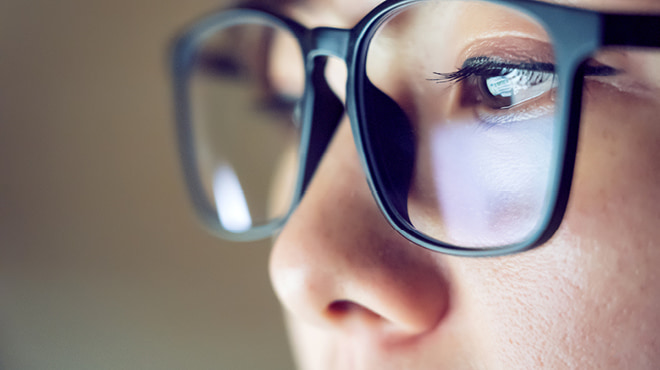
Eye glasses up close

Did anyone ever tell you not to cross your eyes because they might stick? Is that true?

Learn the facts about this and other common eye health myths:

Myth: Reading in poor light will hurt your eyes.

Fact: Before the invention of electric light, most nighttime reading and other work was done by dim candlelight or gaslight. Reading in dim light today won't harm your eyes any more than it did your ancestors' eyes or any more than taking a photograph in dim light will damage a camera.

Myth: Using your eyes too much will 'wear them out.'

Fact: You wouldn't lose your sense of smell by using your nose too much or your hearing by using your ears too much. Your eyes were made for seeing. You won't lose your vision by using your eyes for their intended purpose.

Myth: Wearing eyeglasses that are too strong or have the wrong prescription will damage your eyes.

Fact: Eyeglasses change the light rays that your eyes receive. They do not change any part of the eye itself. Wearing glasses that are too strong or otherwise wrong for your eyes cannot harm your eyes — although it might result in a temporary headache. At worse, the glasses will fail to correct vision and make you uncomfortable because of blurriness. However, it will not result in damage to any part of your eye.

Myth: Wearing eyeglasses will weaken your eyes.

Fact: Eyeglasses worn to correct nearsightedness, farsightedness, astigmatism or presbyopia will not weaken your eyes any more than they will permanently solve these types of vision problems. Glasses are simply external optical aids that correct vision for people who suffer from refractive errors. Exceptions are glasses given to children with crossed eyes (strabismus) or lazy eye (amblyopia). These glasses are used temporarily to help straighten their eyes or improve vision. Not wearing such glasses in these instances may lead to permanently defective vision.

Myth: Crossing your eyes may make them permanently crossed.

Fact: Your eye muscles are meant to allow you to move your eyes in many different directions. Looking left, right, up or down will not force your eyes to stay permanently crossed. Crossed eyes result from disease, from an uncorrected refractive error, or from muscle or nerve damage, not from forcing your eyes into that position.

Myth: Having 20/20 vision means that your eyes are perfect.

Fact: The term "20/20" denotes a person with excellent central vision. However, they may have other types of vision, such as side vision, night vision or color vision, that might be imperfect. Some potentially blinding eye diseases, such as glaucoma or diabetic retinopathy, can take years to develop. During this time, they are harming parts of the inner eye, but the central vision can remain unaffected.

Jennifer Garvey, M.D., is an ophthalmologist in La Crosse and Sparta, Wisconsin.

Topics in this Post
  • Eye Health

Related Posts

Dark brown eyes Protect your eyes from harmful light
Sitting in field of grass 7 common questions about upper eyelid surgery
Child and parent reading a book Caring for your child's eyes
Mayo Clinic Health System
About Us
Careers
Volunteer
Donate
Contact Us
Patient Care
Patients & Visitors
Classes & Events
Mayo Clinic Connect
Mayo Clinic
Resources
Referrals
Community Resources
Financial Assistance
Price Transparency
Compliance
Notice of Nondiscrimination
Notice of Privacy Practices
No Surprises Act
Terms of Use
Manage Cookie
Privacy Policy
© 2018 - 2026 Mayo Clinic Health System