Recent Posts
-
Speaking of HealthAfib and irregular heartbeat symptoms: What you need to know
-
Speaking of HealthPink eye: Symptoms, causes and when to seek care
-
Speaking of HealthWhen to seek care for cold, flu and RSV


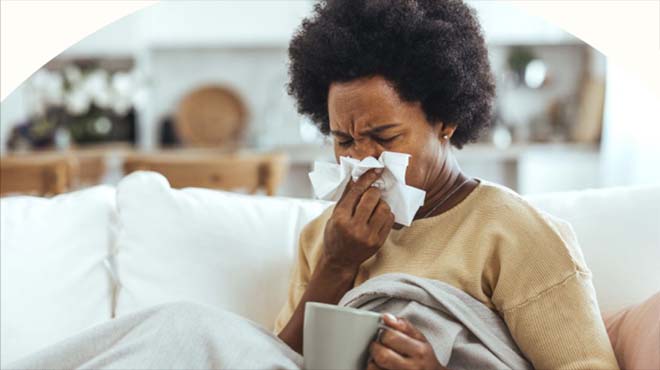
What to know about breathing issues due to wildfires, smoke
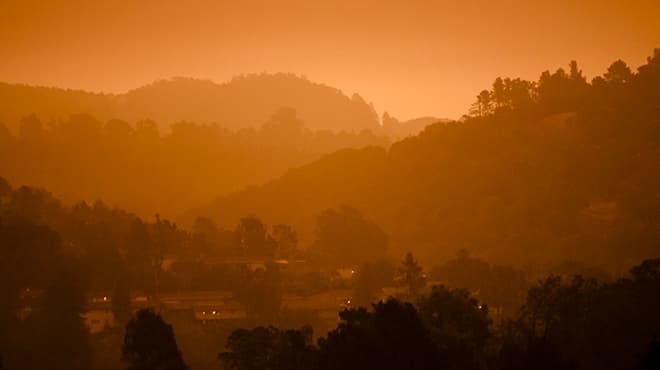
Breathing is becoming increasingly difficult for residents across some areas of the U.S. as wildfires continue to spread across large portions of several Canadian provinces, according to news reports.
"Because of the upper-level winds in the areas involved, exposure to wildfire smoke can even occur if a person is located several hundred miles away from the actual fire," says Clayton Cowl, M.D., a Mayo Clinic pulmonologist and clinical toxicologist.
Ultrafine particles pose health risk
Although wildfire smoke contains some respiratory irritants, such as particulate matter, hydrocarbons and other organic chemicals, Dr. Cowl says the most significant health risk is from ultrafine particles that can be inhaled deep into the lungs.
He adds that, unfortunately, using a standard paper dust mask, while probably better than nothing, does not fully protect the respiratory tract from most particulate matter that becomes airborne. The Centers for Disease Control and Prevention advises that an N95 mask may offer some protection if worn properly.
These particles can create nasal congestion and cause eyes to sting and burn. Still, they also can aggravate the respiratory status of people with chronic heart and lung disease — who are at the most significant risk for inhaling these particulates.
"The most vulnerable populations include the elderly, children, pregnant women, and those with chronic lung or heart disease," says Arveen Bhasin, M.D., a Mayo Clinic allergist. "Common symptoms include coughing, wheezing, trouble breathing, chest pain, irritated eyes, sneezing and scratchy throat."
Airborne chemicals released during wildfires
All types of smoke inhalation, from cigarettes to campfires, have a common denominator, according to Dr. Cowl: You are breathing in air from combustible products. He says the wildfires consume vegetation, homes, and building structures with plastics and other products that release thousands of airborne chemicals.
"Some of those chemicals are extremely toxic, such as nitrogen oxides, carbon monoxide and chlorine-based compounds," says Dr. Cowl. "Most of what can be seen with the human eye involves larger particles that can cause upper respiratory tract irritation. Our respiratory system is equipped to filter much of this, but for those with compromising pulmonary conditions, these exposures may exacerbate their symptoms."
Ways to protect yourself from poor air quality
Dr. Bhasin recommends that people stay indoors, keeping windows and doors closed at home and in the car.
"Run the air conditioner to recirculate clean air, and avoid cigarette smoke or vaping," says Dr. Bhasin. "Do not burn anything in the home, including wood, gas stoves or candles."
Dr. Cowl agrees and says air purifiers can be considered, as can personal respiratory protection. He says the best type of air purifier is one with a high-efficiency particulate air filter. "Use of ozone or ionic air purifiers are not typically suggested for protection from wildfire smoke since they provide minimal protection from the very small particles released, referred to as ultrafine particles of less than 0.3 microns in diameter," says Dr. Cowl.
Dr. Bhasin reminds people that taking medications as prescribed and having refills available is essential. Keep an eye on local air quality reports, and if you or someone you know is experiencing symptoms, it's important to seek medical care.
"Maintaining adequate oral hydration by drinking water and other fluids is also important to preserve the function of cilia, the microscopic broomlike cells in the airways that help sweep out particulate contaminants inhaled from the environment," adds Dr. Cowl.
The health effects of breathing in smoke may include:
- Asthma attack
- Chest pains
- Coughing
- Fast heartbeat
- Headaches
- Irritated sinuses
- Runny nose
- Scratchy throat
- Stinging eyes
- Tiredness
- Trouble breathing normally
- Wheezing and shortness of breath
See the U.S. Air Quality Index to view areas currently affected by smoke and fire. Follow local media reports for up-to-date information on your area.
This article was originally published on the Mayo Clinic News Network.