Recent Posts
-
Speaking of HealthAfib and irregular heartbeat symptoms: What you need to know
-
Speaking of HealthPink eye: Symptoms, causes and when to seek care
-
Speaking of HealthWhen to seek care for cold, flu and RSV



A tale of cancer worth hearing
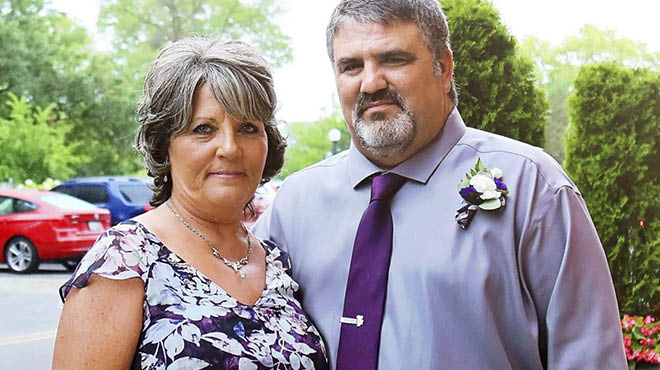
Telling a tale sometimes is used as an expression to spread rumors or lies. Unfortunately for Carole Reisinger, her body told a true tale that most people wouldn't want to hear.
"It started last February when I was diagnosed with kidney cancer. Thanks to the medical staff at Mayo Clinic in Rochester, five days later, I had a 9-by-5-centimeter tumor removed," says Carole.
But it was during that surgery that a second story began to unfold.
"In the process of that surgery, the surgeons noticed my colon was inflamed and had a thickening of the wall. After speaking with the physicians a few days later, they proposed that I should get a colonoscopy," says the Warrens, Wisconsin, native.
After recovering, she took her physicians' words to heart and had a colonoscopy. It's something she says she should have done sooner.
In April 2023, she was diagnosed with rectal cancer.
"I had been having some signs of something wrong. My stomach had been crampy, and I did have blood in my stool at times," Carole says.
Carole's symptoms fit the common signs and symptoms of rectal cancer, including:
- Abdominal pain
- Change in bowel habits, such as diarrhea, constipation or more frequent bowel movements
- Dark maroon or bright red blood in stool
- Feeling that your bowel doesn't empty completely
- Narrow stool
- Unexplained weight loss
- Weakness or fatigue
Treating colorectal cancer
"Rectal cancer is a subset of colon cancer that is located at the final segment of your colon. Symptoms of bleeding and irregular bowel habits are common. Cancer inside the rectum (rectal cancer) and cancer inside the colon (colon cancer) are often referred to together as colorectal cancer," says Andrew Morris, M.D., colorectal and rectal surgeon at Mayo Clinic Health System in La Crosse.
"Colon cancer begins when healthy cells develop changes, or mutations, in their DNA," he explains. "These cancers and their DNA changes, unfortunately, also can be hereditary."
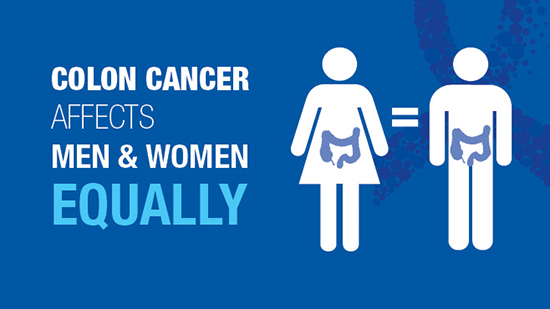
According to the American Cancer Society, colorectal cancer is the third-leading cause of cancer-related deaths in men and the fourth-leading cause in women. The lifetime risk of developing colorectal cancer is about 1 in 23 for men and 1 in 25 for women.
At 64 years old, Carole now had to battle a second type of cancer in a matter of months. For the next six months, she would go through chemotherapy and then radiation treatments at Mayo Clinic Health System in La Crosse. In January of this year, Dr. Morris and the surgical team removed the cancer.
"Advances in surgery have allowed colon and rectal cancers to be removed in a minimally invasive fashion, often using the da Vinci robotic surgical system. Mrs. Reisinger was able to have the cancer completely removed, including the lymph nodes, and her colon reattached. Her recovery was generally quick due to the minimal pain related to the small incisions," says Dr. Morris.
Risk factors for colorectal cancer
In some families, gene mutations passed from parents to children increase the risk of colorectal cancer. One in 3 people who develop colorectal cancer have other family members who have had it. Carole wasn't one of them.
"I know of no family history of colon cancer," she says. "After I was diagnosed, we did genetic testing, and that also came up with nothing. I guess I'm one of the lucky ones."
Besides family history, other factors can lead to colon cancer:
- African American descent
People of African ancestry born in the U.S. have a greater risk of colorectal cancer than people of European ancestry. - Diabetes
People with poorly controlled Type 2 diabetes may have an increased risk of colorectal cancer. - Alcohol consumption
Regularly drinking more than three alcoholic beverages a week may increase your risk of colorectal cancer. - Diet low in vegetables
Colorectal cancer may be associated with a diet low in vegetables and high in red meat, particularly when the meat is charred or well-done. - Inflammatory bowel disease
Chronic inflammatory diseases of the colon and rectum, such as ulcerative colitis and Crohn's disease, increase your risk of colorectal cancer. - Obesity
Obese people have an increased risk of colorectal cancer when compared with people considered to be at a healthy weight. - Older age
Colorectal cancer can be diagnosed at any age, but most people with this type of cancer are older than 50. The rates of colorectal cancer in people younger than 50 have been increasing, but doctors aren't sure why. - Smoking
People who smoke may have an increased risk of colorectal cancer. - Too little exercise
If you're inactive, you're more likely to develop colorectal cancer. Getting regular physical activity may reduce your risk of cancer.
Be proactive about cancer screening
Recent research shows that the overall five-year relative survival rate for people diagnosed with rectal cancer is 68%. If the cancer is diagnosed at a localized stage, the survival rate is 90%. If the cancer has spread to surrounding tissues, organs and the regional lymph nodes, the five-year relative survival rate is 74%.
"The advances in chemotherapy, immunotherapy and surgical techniques are improving these survival rates in both rectal and colon cancer. Thankfully, the multiteam approach provided at Mayo for these cancers ensures that all treatment options and even study protocols are being used. Early detection is key, though, because it gives the best chances for a cure," says Dr. Morris.
Carole's outlook is good. She can't thank the surgeons, physicians and medical staff at Mayo Clinic in Rochester and Mayo Clinic Health System in La Crosse enough for helping her through both medical situations.
She points out that all women — and men — should take responsibility for their healthcare now and not wait until it's too late.
"My advice is not to put off a colonoscopy," says Carole. "Start at the age of 45 and begin paying attention to your body. Pay attention to your own bowel movements. They're a tattletale on your health."