• Patient Portal
  • Pay Bill
  • Request Appointment
MCHS_Logo_2024_BLACK
    • Cardiology (Heart)
    • Gastroenterology & Hepatology (Digestive Care)
    • Neurosurgery
    • Obstetrics & Gynecology (OB-GYN)
    • Oncology (Cancer)
    • Orthopedics & Orthopedic Surgery (Bones)
    • Primary Care
    • Spine Care
    • Sports Medicine
    • Virtual Care 24/7
    View all specialties
  • Providers
  • Minnesota

    • Albert Lea
    • Austin
    • Blooming Prairie
    • Butterfield
    • Cannon Falls
    • Fairmont
    • Faribault
    • Lake City
    • Mankato
    • New Prague
    • Northfield
    • Owatonna
    • Plainview
    • Red Wing
    • Sherburn
    • St. James
    • Waseca
    • Zumbrota

    Wisconsin

    • Arcadia
    • Barron
    • Bloomer
    • Chetek
    • Chippewa Falls
    • Eau Claire
    • Ellsworth
    • Glenwood City
    • Holmen
    • La Crosse
    • Menomonie
    • Mondovi
    • Onalaska
    • Osseo
    • Prairie du Chien
    • Rice Lake
    • Sparta
    • Tomah
    mchsmap Map view
    • VirtualCare
      Virtual Care
    • SameDayCare
      Same-Day Care
    • PrimaryCare
      Primary Care
    • SpecialtyCare
      Specialty Care
    • View all care options
    • PrimaryCare
      Billing & Insurance
    • SameDayCare
      Financial Assistance
    • VirtualCare
      Price Transparency
    • Hometown Health
    • Classes & Events
    • Self-guided wellness programs
    • Mayo Clinic Connect
    • Community Resources
  • Patient Portal
  • Pay Bill
  • Request Appointment
MCHS_Logo_2024_BLACK
Search Mayo Clinic Health System
    • Cardiology (Heart)
    • Gastroenterology & Hepatology (Digestive Care)
    • Neurosurgery
    • Obstetrics & Gynecology (OB-GYN)
    • Oncology (Cancer)
    • Orthopedics & Orthopedic Surgery (Bones)
    • Primary Care
    • Spine Care
    • Sports Medicine
    • Virtual Care 24/7
    • View all specialties
  • Providers
    • Minnesota

    • Albert Lea
    • Austin
    • Blooming Prairie
    • Butterfield
    • Cannon Falls
    • Fairmont
    • Faribault
    • Lake City
    • Mankato
    • New Prague
    • Northfield
    • Owatonna
    • Plainview
    • Red Wing
    • Sherburn
    • St. James
    • Waseca
    • Zumbrota

      Wisconsin

    • Arcadia
    • Barron
    • Bloomer
    • Chetek
    • Chippewa Falls
    • Eau Claire
    • Ellsworth
    • Glenwood City
    • Holmen
    • La Crosse
    • Menomonie
    • Mondovi
    • Onalaska
    • Osseo
    • Prairie du Chien
    • Rice Lake
    • Sparta
    • Tomah
    • Map view
    • Virtual Care
    • Same-Day Care
    • Primary Care
    • Specialty Care
    • View all care options
    • Billing & Insurance
    • Financial Assistance
    • Price Transparency
    • Hometown Health
    • Classes & Events
    • Self-guided wellness programs
    • Mayo Clinic Connect
    • Community Resources

Recent Posts

  • ColdfluRSV blog photo
    Speaking of Health
    When to seek care for cold, flu and RSV
    March 10, 2026
  • winter outdoor lady and girl 660x370
    Speaking of Health
    Is your sinus pressure a sinus infection?
    February 09, 2026
  • Izzy Iverson
    Patient Stories
    Unexpected vacation ending leads to rare tumor discovery
    February 05, 2026
Featured Topics
  • Behavioral Health
  • Cancer
  • Children's Health (Pediatrics)
  • Exercise and Fitness
  • Heart Health
  • Men's Health
  • Neurosurgery
  • Obstetrics and Gynecology
  • Orthopedic Health
  • Weight-loss (Bariatric) Surgery
  • Women's Health
Featured Topic
Wednesday, August 23, 2023

Safety tips to prevent heat-related illness
Topics in this Post
  • Hot Topics
  • Safety
  • Emergency Medicine
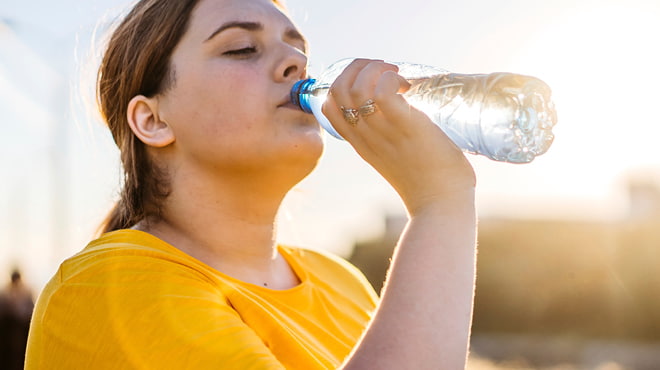
Drinking bottled water

Much of the country's midsection from Texas to Minnesota will be melting this week with extreme heat watches, warnings and advisories posted in many areas. Temperatures will be pushing 100 degrees Fahrenheit, with heat indexes even higher. According to the National Weather Service, the prolonged nature of the heat wave and warm overnight temperatures will compound the effect of the heat.

Heat-related illnesses, like heat exhaustion and heatstroke, can be life-threatening and often prevented.

What is heat exhaustion?

Heat exhaustion can happen when your body becomes dehydrated and loses too much water and salt due to high temperatures and humidity. People most at risk are older adults, those with high blood pressure and those who are working outside. Left untreated, heat exhaustion can progress to a more severe heat-related illness called heatstroke.

What is heatstroke?

Heatstroke is caused by your body overheating, usually due to prolonged exposure to or physical exertion in high temperatures. This most severe form of heat injury, heatstroke, can occur if your body temperature rises to 104 degrees Fahrenheit (40 degrees Celsius) or higher.

Untreated, heatstroke can quickly damage your brain, heart, kidneys and muscles. The damage worsens the longer treatment is delayed, increasing your risk of serious complications or death.

Tip for preventing heat-related illness

  • Stay cool. Stay in air-conditioned buildings as much as possible. If you do not have air conditioning, consider a shopping mall or public building, such as a library, to help cool down. Do not rely solely on box fans during extreme temperatures.
  • People over 65 may not tolerate sudden changes in temperature as well as younger people. Check on older adults more frequently, and ensure they are drinking enough water.
  • Stay hydrated. Don't wait until you are thirsty. Water and sports drinks are the most effective warm-weather drinks.
  • Avoid alcohol, as it can make you more dehydrated.
  • Eat lighter meals.
  • Wear lightweight clothing or loose-fitting clothes.
  • Protect yourself against sunburn, which affects your body's ability to cool itself. Wear sunscreen and sunglasses to protect your eyes and skin.
  • Avoid being outside during the hottest part of the day.
  • Check on friends, family and neighbors. Ask them to do the same.
  • Make sure your pets have plenty of water.
  • Do not leave anyone or pets alone in a vehicle. Each year, multiple children die after being left in hot cars. This is never a safe practice — even if you crack the windows.
  • Stay informed. Watch your local news and weather for updates.

Preventing illness isn't always possible. Seek immediate medical attention if you are concerned someone is showing signs of a heat-related illness, including a heat stroke. Those signs and symptoms may include a fever of 104 degrees Fahrenheit (40 degrees Celsius) or greater, confusion or agitation, heavy sweating and vomiting.

By Mayo Clinic Health System staff

This article was originally appeared on the Mayo Clinic News Network.


Topics in this Post
  • Hot Topics
  • Safety
  • Emergency Medicine

Related Posts

Fireworks against dark blue sky Use caution with fireworks
Flooded road and sign 6 tips for flood water safety
Toddler holding greens by mouth You swallowed what? Parents' guide to keeping kids safe at home
Mayo Clinic Health System
About Us
Careers
Volunteer
Donate
Contact Us
Patient Care
Patients & Visitors
Classes & Events
Mayo Clinic Connect
Mayo Clinic
Resources
Referrals
Community Resources
Financial Assistance
Price Transparency
Compliance
Notice of Nondiscrimination
Notice of Privacy Practices
No Surprises Act
Terms of Use
Manage Cookie
Privacy Policy
© 2018 - 2026 Mayo Clinic Health System