• Patient Portal
  • Pay Bill
  • Request Appointment
MCHS_Logo_2024_BLACK
    • Cardiology (Heart)
    • Gastroenterology & Hepatology (Digestive Care)
    • Neurosurgery
    • Obstetrics & Gynecology (OB-GYN)
    • Oncology (Cancer)
    • Orthopedics & Orthopedic Surgery (Bones)
    • Primary Care
    • Spine Care
    • Sports Medicine
    • Urology
    View all specialties
  • Providers
  • Minnesota

    • Albert Lea
    • Austin
    • Blooming Prairie
    • Butterfield
    • Cannon Falls
    • Fairmont
    • Faribault
    • Lake City
    • Mankato
    • New Prague
    • Northfield
    • Owatonna
    • Plainview
    • Red Wing
    • Sherburn
    • St. James
    • Waseca
    • Zumbrota

    Wisconsin

    • Arcadia
    • Barron
    • Bloomer
    • Chetek
    • Chippewa Falls
    • Eau Claire
    • Ellsworth
    • Glenwood City
    • Holmen
    • La Crosse
    • Menomonie
    • Mondovi
    • Onalaska
    • Osseo
    • Prairie du Chien
    • Rice Lake
    • Sparta
    • Tomah
    mchsmap Map view
    • VirtualCare
      Virtual Care
    • SameDayCare
      Same-Day Care
    • PrimaryCare
      Primary Care
    • SpecialtyCare
      Specialty Care
    • View all care options
    • PrimaryCare
      Billing & Insurance
    • SameDayCare
      Financial Assistance
    • VirtualCare
      Price Transparency
  • Health & Wellness Resources
    • Patient Portal
    • Pay Bill
    • Request Appointment
    MCHS_Logo_2024_BLACK
        • Cardiology (Heart)
        • Gastroenterology & Hepatology (Digestive Care)
        • Neurosurgery
        • Obstetrics & Gynecology (OB-GYN)
        • Oncology (Cancer)
        • Orthopedics & Orthopedic Surgery (Bones)
        • Primary Care
        • Spine Care
        • Sports Medicine
        • Urology
        • View all specialties
      • Providers
        • Minnesota

        • Albert Lea
        • Austin
        • Blooming Prairie
        • Butterfield
        • Cannon Falls
        • Fairmont
        • Faribault
        • Lake City
        • Mankato
        • New Prague
        • Northfield
        • Owatonna
        • Plainview
        • Red Wing
        • Sherburn
        • St. James
        • Waseca
        • Zumbrota

          Wisconsin

        • Arcadia
        • Barron
        • Bloomer
        • Chetek
        • Chippewa Falls
        • Eau Claire
        • Ellsworth
        • Glenwood City
        • Holmen
        • La Crosse
        • Menomonie
        • Mondovi
        • Onalaska
        • Osseo
        • Prairie du Chien
        • Rice Lake
        • Sparta
        • Tomah
        • Map view
        • Virtual Care
        • Same-Day Care
        • Primary Care
        • Specialty Care
        • View all care options
        • Billing & Insurance
        • Financial Assistance
        • Price Transparency
      • Health & Wellness Resources
      Posted By
      Dana Rademacher MD

      Dana Rademacher, M.D.

      Urology

      Featured Topics
      • Behavioral Health
      • Cancer
      • Children's Health (Pediatrics)
      • Exercise and Fitness
      • Heart Health
      • Men's Health
      • Neurosurgery
      • Obstetrics and Gynecology
      • Orthopedic Health
      • Weight-loss (Bariatric) Surgery
      • Women's Health
      Speaking of Health
      Thursday, March 11, 2021

      Kidney stones: Tiny and painful, but treatable
      Topics in this Post
      • Kidney Health
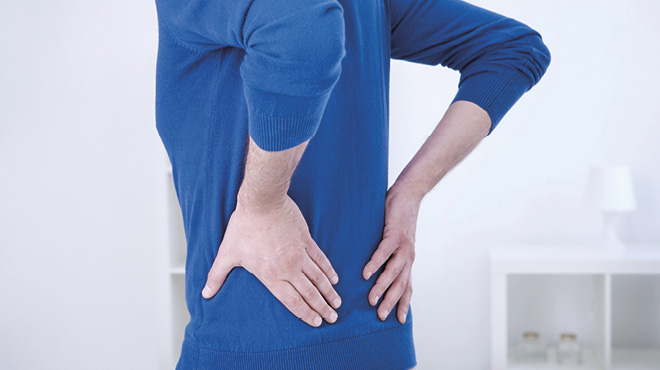
      Hands on back over kidneys

      The pain may start in your back, then radiate into your groin. You may think you've twisted something, but the pain continues to worsen, often coming in waves. That's when you may head to the Emergency Department — only to find that the cause of your excruciating pain is caused by a little rock of calcium, minerals and salts: a kidney stone.

      Kidney stones also may be the cause of blood in your urine, which is the result of stones bouncing around inside your kidneys. They usually don't cause pain until they pass into your ureters, which are the tubes connecting the kidneys and bladder. If a stone becomes stuck, it may block the flow of urine, cause your kidneys to swell and the ureter to spasm ― and for you to be awash in pain.

      How kidney stones form

      Kidney stones form when your urine contains more crystal-forming substances, such as calcium and uric acid, than can be diluted by the fluid in your urine. Most kidney stones are 6 millimeters or smaller — about the size of a pencil eraser. There are four main types of stones: calcium, struvite, uric acid and cystine. Knowing what kind you have can give you clues for reducing your risk of getting more.

      Risk factors

      Your risk of getting kidney stones can increase because of:
      • Family or personal history
        If someone in your family has had a kidney stone, you may be prone to develop one. If you've had a kidney stone, you're 50% more likely to get another.
      • Dehydration
        Be sure to drink enough water every day, especially if you've been sweating.
      • Certain diets
        A diet high in protein, salt and sugar increases your risk. Certain fruits and vegetables (rhubarb, beets, okra, spinach and sweet potatoes) and foods and beverages (nuts, black pepper, soy products, chocolate and tea) also can contribute to kidney stone formation.
      • Obesity
        A high body mass index, large waist size and weight gain can be contributing factors.
      • Digestive diseases and surgery
        Gastric bypass surgery, inflammatory bowel disease or chronic diarrhea can affect how you absorb calcium and water.
      • Medical conditions
        These include renal tubular acidosis, cystinuria and recurring urinary tract infections.
      • Certain supplements, medications
        These range from vitamin C to dietary supplements to calcium-based antacids to medications for migraines or depression.

      Treating kidney stones

      Some patients choose to tough it out by taking over-the-counter pain medication, drinking plenty of water, being active ― for example, walking up and down steps seems to help ― and hoping the stone passes soon on its own. For others, surgery may be required to remove the stone.

      If a kidney stone is suspected, an X-ray, CT scan or ultrasound will help your provider evaluate the size, where it's at and if it's blocking urine flow. Evaluation typically takes place in the clinic, but treatment is usually performed in the operating room.

      Treatments include:
      • Shock wave therapy
        This treatment uses sound waves from outside your body to break up the stone so it can pass.
      • Ureteroscopy
        You'll need to undergo anesthesia for this procedure. A scope is fed into the ureter, followed by a laser fiber, which breaks the stone into pieces. The pieces are then pulled out. This process may take 20 minutes or several hours, depending on how many stones are found. A stent is inserted for three to 10 days to keep the ureter open so any remnants can pass easily.
      • Percutaneous surgery
        If a stone is larger than 1.5 centimeters — the size of the end of your thumb — or it's really hard, your provider will schedule a second surgery. A small incision is made in the back and a tube is placed to reach the kidney. The stones are then broken up and removed through the tube. A stent is left afterward.

      These procedures are followed by an X-ray or ultrasound in 30 days to confirm the stones are gone.

      There are no medications or supplements known to prevent kidney stones. If you're prone to kidney stones, your best approach is to work with your provider to adjust your diet or medications to prevent them.

      Dana Rademacher, M.D., is a urologist in La Crosse and Onalaska, Wisconsin.

      Topics in this Post
      • Kidney Health

      Related Posts

      Drinking bottled water towel on neck Preventing kidney stones before they form
      Person wearing yellow jacket and grey knit hat Preserving kidney function with robotic surgery
      Couple preparing a recipe 5 nutrition tips for chronic kidney disease
      Mayo Clinic Health System
      About Us
      Careers
      Volunteer
      Donate
      Contact Us
      Patient Care
      Patients & Visitors
      Classes & Events
      Mayo Clinic Connect
      Mayo Clinic
      Resources
      Referrals
      Community Resources
      Financial Assistance
      Price Transparency
      Compliance
      Notice of Nondiscrimination
      Notice of Privacy Practices
      No Surprises Act
      Terms of Use
      Manage Cookie
      Privacy Policy
      © 2018 - 2026 Mayo Clinic Health System