Calling to schedule an appointment?

Conditions treated
Our neurosurgeons and specialists evaluate and treat conditions affecting the brain, spine and nervous system. Through comprehensive consultations, we review symptoms, imaging and medical history to develop a personalized treatment plan tailored to each patient’s needs.
Conditions we treat include:
-
Back Pain
Back pain is one of the most common reasons people seek medical care. It can develop suddenly or over time and may be related to muscle strain, disc problems or changes in the spine. While many cases improve with conservative care, some people experience ongoing pain that affects daily activities and may require specialized evaluation.
-
Brain injury or trauma
A traumatic brain injury occurs when an external force, such as a violent blow or jolt to the head or body, disrupts normal brain function. This can also occur when an object penetrates the skull. Brain injuries may range in severity and, in some cases, can result in swelling, bleeding or damage to brain tissue that requires medical intervention.
-
Brain tumor
A brain tumor is a mass or growth of abnormal cells in the brain or in tissue close to the brain. Brain tumors may be noncancerous (benign) or cancerous (malignant), and they can either begin in the brain or spread from other parts of the body.
-
Cervical spondylosis
Cervical spondylosis is a common, age‑related condition caused by wear and tear affecting the spinal disks in the neck. As discs change over time, the neck may become stiff or painful, and in some cases these changes can place pressure on nearby nerves or the spinal cord.
-
Degenerative disc disease (cervical, thoracic, lumbar)
Degenerative disk disease occurs when the spinal disks that cushion the vertebrae wear down over time. These changes can reduce flexibility and stability in the spine and may lead to neck or back pain, as well as symptoms caused by pressure on nearby nerves. Some people experience few or no symptoms, while others require treatment to manage pain or movement limitations.
-
Glioblastoma
Glioblastoma is a type of brain cancer starting in cells called astrocytes. Astrocytes support nerve cells. Glioblastoma is part of a wider group of tumors called gliomas.
Glioblastoma is the most common malignant form of glioma and most common in adults — making up about half of all malignant brain tumors in adults.
-
Herniated or ruptured disk (herniated disk)
A herniated or ruptured disk occurs when the soft, inner portion of a spinal disc pushes through a tear in the tougher outer layer. This can irritate nearby nerves and may cause neck or back pain, numbness, weakness, or symptoms such as sciatica or cervical radiculopathy.
-
Hydrocephalus
Hydrocephalus is a condition in which excess cerebrospinal fluid builds up within the cavities, or ventricles, of the brain. This buildup increases pressure inside the skull and can affect brain function if not treated.
Hydrocephalus can occur at any age and may develop due to injury, infection, bleeding in the brain or other medical conditions.
-
Sciatica
Sciatica is a nerve-related condition that causes pain radiating from the lower back through the buttock and down the leg, most often due to spinal conditions such as a herniated disc or spinal stenosis.
-
Spinal fracture or trauma
A spinal fracture is a break or dislocation of one or more vertebrae in the spine. Some fractures occur as the result of a traumatic injury, such as a motor vehicle accident or fall, while others may develop due to weakened bones from conditions like osteoporosis.
Unlike fractures in the arms or legs, spinal fractures can cause bone fragments to press on nerves or the spinal cord, which may lead to more serious complications.
-
Spinal stenosis
Spinal stenosis is a narrowing of the spaces within the spine that can place pressure on the nerves that travel through it. It most often occurs in the lower back or neck and is commonly caused by age‑related, wear‑and‑tear changes in the spine, such as those associated with osteoarthritis.
Some people may not have symptoms, while others experience pain, tingling, numbness or muscle weakness that can worsen over time.
-
Spinal tumor
A spinal tumor is an abnormal growth that develops within or near the spinal cord or spinal column. Tumors may be cancerous or noncancerous and can affect the bones, nerves or soft tissues of the spine. Depending on their size and location, spinal tumors may place pressure on nerves or the spinal cord and cause pain or neurologic symptoms.
-
Spondylolisthesis
Spondylolisthesis occurs when a bone in the spine, also known as vertebrae, becomes misaligned or slips out of place. This causes pressure on the vertebrae. Those with spondylolisthesis may be able to manage pain and stiffness symptoms with non-surgical treatments. If the misalignment is extreme or nonsurgical treatments do not work, a provider may suggest surgery.
-
Syringomyelia
Syringomyelia is a condition in which a fluid‑filled cyst, called a syrinx, forms within the spinal cord. Over time, the syrinx can enlarge and place pressure on the spinal cord, potentially causing pain, weakness or stiffness.
Diagnosis and treatments
We specialize in diagnosing and treating conditions that affect the brain, spine and nervous system — from life‑threatening concerns to nerve and spine issues that make daily life painful and challenging.
Care plans are individualized and may begin with conservative, nonsurgical treatments when appropriate. Surgery is considered when other options are not effective or when a condition requires more advanced intervention, always with the goal of supporting the best possible outcome.
Many neurosurgical procedures may be performed using minimally invasive techniques, depending on the condition being treated.
Treatments we provide include:
-
Brain surgery
Brain surgery is a surgical procedure to treat structural issues and abnormalities within or around the brain. Some of the conditions treated with brain surgery include Parkinson's disease, aneurysms, epilepsy, tumors and blood clots. Having brain surgery can alleviate pressure and drain blood clots in or around the brain.
-
Cerebrospinal fluid diversion procedures
Cerebrospinal fluid diversion procedures help manage excess fluid buildup in the brain. These may include shunt placement or endoscopic third ventriculostomy (ETV), depending on the underlying condition and anatomy.
-
Craniotomy
A craniotomy is a surgical approach in which a section of the skull, called a bone flap, is temporarily removed to allow access to the brain. This approach may be used to remove tumors, evacuate blood or fluid, relieve pressure on the brain, or address other neurological conditions. The bone flap is replaced during the same procedure or at a later time.
-
Decompressive surgery
Decompressive surgery may be used to relieve pressure inside the skull caused by swelling or fluid buildup. This may involve draining cerebrospinal fluid or creating an opening in the skull to allow the brain more space to expand safely. This approach is sometimes used in combination with cerebrospinal fluid diversion procedures.
-
Disk surgery
Disc surgery may be used to treat herniated or degenerative disc conditions that compress spinal nerves. Procedures may include diskectomy to remove damaged disc material or artificial disc replacement to preserve spinal motion while reducing pain.
-
Evacuation of intracranial hematoma
Evacuation of an intracranial hematoma may be used to remove blood that has collected within the skull following an injury or bleeding event. This procedure helps relieve pressure on the brain and may be performed to reduce the risk of further neurological damage.
-
Revision spine surgery
Revision spine surgery is performed to address ongoing symptoms, complications, or changes that occur after a previous spine operation. It may be recommended when pain, nerve compression, spinal instability, or hardware-related issues persist or develop over time. Treatment is tailored to each patient's condition and may involve decompression, spinal fusion, hardware revision, or other surgical techniques to improve function and relieve symptoms.
-
Skull fracture repair
Surgical treatment may be needed to repair severe skull fractures or to remove fragments of bone that have entered the brain.
-
Spinal decompression procedure
Spinal decompression procedures relieve pressure on the spinal cord or nerves caused by conditions such as spinal stenosis, disc disease or bone overgrowth. These procedures may include cervical laminectomy, laminectomy, or laminoplasty, including motion‑preserving approaches when appropriate.
-
Spinal fusion
Spinal fusion is a procedure that permanently joins two or more vertebrae in the neck to provide stability. Bone grafts and medical hardware, such as plates or screws, may be used to help the bones heal together into one solid structure.
-
Spinal tumor removal
Surgical treatment for a spinal tumor focuses on removing or reducing the tumor to relieve pressure on the spinal cord or nerves. The approach depends on the tumor's type, size and location, with the goal of protecting nerve function and stabilizing the spine when needed.
-
Surgical decompression of the brain (relief of pressure within the skull)
Surgical decompression of the brain may be used to relieve pressure inside the skull caused by swelling, bleeding, fluid buildup, or other brain conditions. Depending on the cause, the procedure may involve temporarily removing a portion of the skull, draining fluid, or creating additional space for the brain during recovery. This approach is often performed to reduce pressure on brain tissue and help prevent further injury.
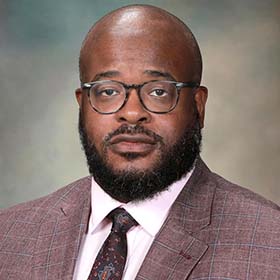
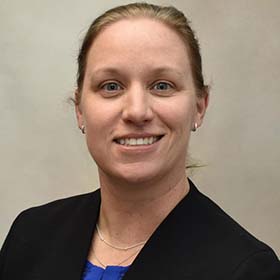
Care team View all neurosurgery clinicians
Our experienced team of spine, back, brain and nerve specialists collaborate to deliver a seamless experience — from diagnosis to treatment and recovery — so you can get back to doing what you love.
Our specialists include:
- Neurosurgeons — surgeons specializing in brain, nerve, back and spine surgery.
- Nurse practitioners.
- Physician assistants.
Additional care and therapies may be provided by:

Neurosurgery, Spine Care
Neurosurgery, Spine Care
Neurosurgery, Spine Care
Locations View all neurosurgery locations

Menomonie, WI
Hospital and Clinic- Appointments:
- 715-838-1950


Barron, WI
Hospital and Clinic- Appointments:
- 715-838-1950

Mankato, MN
Hospital and Clinic- Appointments:
- 507-594-4700
- Appointments:
- 507-594-4170
FAQ
-
When should I see a neurosurgeon?
Many spine and nerve conditions improve with time and conservative care. Neurosurgeons often recommend nonsurgical treatment options first when appropriate.
It may be time to see a neurosurgeon if you experience:
- A fall, blow to your head, neck or back, or other injury
- Constant or intense pain, especially at night or when lying down
- Pain that spreads into the arms or legs
- Weakness, numbness or tingling in the arms or legs
- New problems with balance, coordination or walking
- Swelling or redness in the back or along the spine, which could indicate infection
- Back or neck pain accompanied by unintended weight loss
- New bowel or bladder control problems
- Headaches, vision changes, seizures or other new neurological symptoms
A consultation allows your care team to review symptoms, imaging and medical history and determine whether further evaluation, monitoring or treatment is needed.
-
Do neurosurgeons recommend nonsurgical or self‑care options?
Yes. Neurosurgeons often recommend conservative treatment options first when appropriate, such as physical therapy, activity modification or other nonsurgical approaches. Surgery is typically considered when symptoms persist, worsen or affect quality of life despite other treatments.
-
What should I expect during my first appointment, and what should I bring?
At your first Neurosurgery appointment, you'll meet with a nurse practitioner or physician assistant, who will conduct a full history and evaluation with you. Imaging, such as an X-ray, CT scan or MRI, may be needed to support the diagnosis or determine next steps in your treatment plan. Depending on your needs, they may review presurgical recommendations.
Appointment times vary depending on your symptoms or condition. Most initial appointments take 30–60 minutes.
For your first appointment, bring any imaging or medical records from non-Mayo Clinic Health System facilities. Complete a medical records release form (PDF) to authorize the transfer of health records from another healthcare facility to us. Visit our Medical Record Forms page for this form and other forms in multiple languages.
-
Can you provide a second opinion?
Yes. Call the appointment number at your preferred Neurosurgery location.
-
How do I prepare if neurosurgery is recommended?
If surgery is recommended, your neurosurgery team will review your goals and discuss treatment options with you. Before surgery, you’ll meet with your neurosurgeon and care team to review imaging (such as X rays, MRI or CT scans), talk through the benefits and risks, and understand what to expect.
Depending on the procedure, you may go home the same day or stay in the hospital for a short time. Your care team will provide instructions for recovery and follow up, and your plan may vary based on your condition and procedure.
-
Do you have an after-hours number in case of emergency?
Always call 911 in case of an emergency. For after-hours help with other issues, get virtual care 24/7 through the Primary Care On Demand app or review our convenient care options.
-
What follow-up care do you provide after treatment?
Prior to surgery, your healthcare team will assess your at-home and recovery needs. We partner with physical therapists, occupational therapists and social workers to make recommendations for a successful discharge and safe recovery.
-
What are my payment options, and do you offer financial assistance?
Our Patient Account Services representatives can assist you with any issues related to billing and insurance. We also offer financial assistance if you are unable to pay for care due to financial hardship.
-
Are neurosurgery clinical trials available to patients?
Yes. Clinical trials may be available for certain neurosurgical conditions and are offered when appropriate. Ongoing research has explored areas such as spine conditions, brain tumors, cerebrovascular disorders, nerve conditions and recovery after neurological injury. Available studies change over time as research continues.
Participation in a clinical trial is always voluntary and is considered alongside standard treatment options. If you’re interested in learning whether a clinical trial may be right for you, talk with your neurosurgery care team. You can also explore current neurosurgery clinical trials through Mayo Clinic’s research programs.