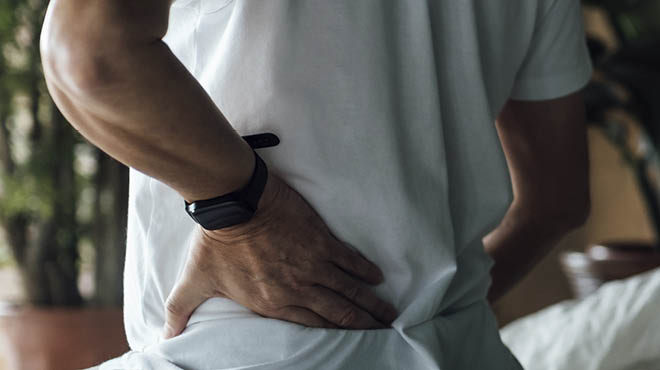
Conditions treated
Our pain medicine specialists provide consultations and a personalized treatment for pain related to these and other conditions:
- Abdominal and stomach: abdominal pain, pancreatitis, post-surgical hernia.
- Cancer: post-operative, treatment effects, tumor location.
- Cervical: back, disk disease, facet joint syndrome, failed back syndrome, neck pain, spine, spinal stenosis.
- Chest: angina, costochondritis.
- Head: headaches, migraines.
- Foot and leg: ankle, foot and leg conditions or injuries, post-surgical chronic knee issues.
- Joints: ankylosing spondylitis, arthritis, osteoarthritis.
- Nerve: diabetic neuropathy, neuralgia, occipital neuralgia, peripheral neuralgia, postherpetic neuralgia.
- Pelvic: chronic pelvic pain in women, sacroiliac pain syndrome.
- Other: calciphylaxis, complex regional pain syndrome, myofascial pain syndrome, sports injuries, work-related injury.
Diagnosis & treatments
We offer a variety of advanced, image-guided procedures to reduce or eliminate pain; increase stamina and strength to improve functionality; and improve sleep, work, leisure activities and overall quality of life.
-
Baclofen pump therapy
Baclofen pump therapy delivers medication directly to the spinal fluid to help manage severe muscle stiffness and spasticity that can contribute to pain and limited movement. By targeting the nervous system more precisely than oral medications, this approach may improve comfort, mobility and function while reducing the need for higher doses of medication taken by mouth. -
Basivertebral nerve ablation
This minimally invasive treatment may help relieve chronic low back pain related to changes in the vertebrae of the spine. The procedure targets a specific nerve within the vertebral body that can transmit pain signals, helping reduce pain when conservative treatments such as medication or physical therapy have not provided relief.
-
Intrathecal pump implantation
This treatment uses an implanted pump to deliver pain relieving medication directly to the spinal fluid. By targeting pain at its source, intrathecal pump therapy may help manage severe or complex pain while reducing the need for higher doses of oral medications. It is commonly considered for conditions such as cancer related pain or severe spasticity.
-
Interspinous distraction device implantation
This minimally invasive procedure may help relieve pain caused by lumbar spinal stenosis by reducing pressure on spinal nerves. A small device is placed between the spinous processes of the spine to help maintain space within the spinal canal, which can ease pain and improve function for some people when symptoms worsen with standing or walking.
-
Minimally invasive lumbar decompression
This outpatient procedure may help relieve pain in the lower back or legs caused by lumbar spinal stenosis, a condition in which narrowed spaces in the spine put pressure on nerves. By removing small amounts of tissue contributing to nerve compression, this approach can improve mobility and reduce pain associated with standing or walking.
-
Peripheral nerve stimulation
Peripheral nerve stimulation uses a small device to deliver mild electrical impulses to targeted peripheral nerves. This therapy may help manage chronic, localized pain by interrupting pain signals before they reach the brain. Patients can control stimulation as needed to support ongoing pain relief. -
Radiofrequency ablation
This minimally invasive procedure may help reduce pain by using controlled energy to disrupt nerve signals responsible for pain transmission. Radiofrequency ablation is commonly used to treat pain affecting the neck, back, hips or joints, particularly when pain originates from irritated or damaged nerves.
-
Restorative neuromodulation
This minimally invasive therapy may help reduce chronic mechanical low back pain by restoring function to muscles that support and stabilize the spine. The treatment uses targeted nerve stimulation to re engage key muscles in the lower back, helping improve movement, stability and strength over time. By addressing underlying muscle dysfunction, restorative neuromodulation can help reduce pain and support long term functional improvement.
-
Spinal cord stimulation
Spinal cord stimulation uses an implanted device to deliver gentle electrical pulses to the spinal cord. These pulses help modify pain signals before they reach the brain, which may reduce chronic pain and improve quality of life. This therapy is often considered when other pain management approaches have not provided adequate relief.
Care team
Our experienced team of pain medicine specialists collaborate to deliver a seamless experience — from diagnosis to treatment and recovery — so you can get back to doing what you love. Physicians have advanced training in anesthesiology, physical medicine and rehabilitation, neurology, and psychiatry and psychology. Some have subspecialty expertise in ultrasonography, fluoroscopy, facial pain, neurostimulation, palliative care, peripheral nerve stimulation and regenerative medicine.
Our specialists include:
- Fellowship-trained doctors
- Physician assistants
- Nurse practitioners
- Registered nurses
- Clinical assistants
Consultations may be provided by:

Pain Medicine, Spine Care
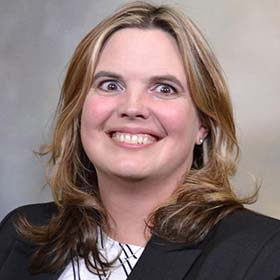
Pain Medicine, Spine Care
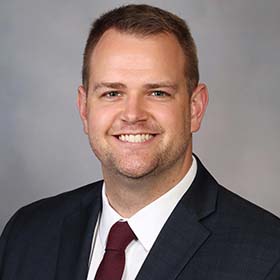
Pain Medicine, Spine Care

Pain Medicine, Spine Care
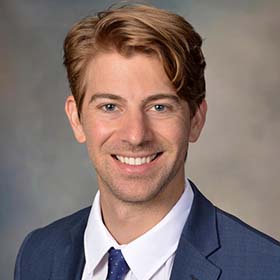
Pain Medicine, Spine Care
Locations View all Pain Medicine locations

Osseo, WI
Hospital and Clinic- Call for appointment
- Mon-Fri:7:00 AM - 7:00 PM
- 715-838-3640

Menomonie, WI
Hospital and Clinic- Call for appointment
- Mon-Fri:7:00 AM - 7:00 PM
- 715-838-3640

Barron, WI
Hospital and Clinic- Call for appointment
- Mon-Fri:7:00 AM - 7:00 PM
- 715-838-3640

Red Wing, MN
Hospital and Clinic- Call for appointment
- Mon-Fri:7:00 AM - 7:00 PM
- 507-738-4030
- General
- 651-267-5000
FAQ
-
When should I see a pain medicine specialist?
You may benefit from seeing a pain medicine specialist if pain continues despite treatment such as medications, physical therapy or other conservative approaches, or if pain interferes with daily activities, sleep or quality of life. Pain medicine specialists focus on identifying the source of pain and developing individualized treatment plans.
-
Is pain medicine only for chronic pain?
Pain medicine commonly treats chronic or complex pain, but it may also help manage pain related to injury, surgery, medical conditions or cancer. Your care team will determine whether pain medicine services are appropriate based on your symptoms and care history.
-
Will pain medicine replace my current care team?
No. Pain medicine specialists work closely with your primary care provider and other specialists to complement your existing care. Treatment recommendations are coordinated to support your overall care plan.
-
Do pain medicine treatments always involve medication?
No. Pain medicine offers a range of treatment options, which may include procedures, injections, implantable devices, rehabilitation strategies and other therapies. Medication may be part of a treatment plan, but it is not always required.
-
What happens during a pain medicine consultation?
During a consultation, your provider will review your medical history, discuss your pain symptoms and evaluate previous treatments. Together, you will develop a personalized plan that may include additional testing or treatment recommendations.
-
How can I relieve my pain?
You have several options to explore for dealing with chronic pain, from low to high intervention. Learn more about pain management options, and find the one that is right for you.
-
What should I bring for my first appointment?
For your first appointment, bring your current prescription information or medical records from non-Mayo Clinic Health System facilities. Complete a medical records release form to authorize the transfer of health records from another health care facility to us. Visit our Medical Record Forms page for this form and other forms in multiple languages.
-
What are my payment options, and do you offer financial assistance?
Our Patient Account Services representatives can assist you with any issues related to billing and insurance. We also offer financial assistance if you are unable to pay for care due to financial hardship.
-
Can you provide a second opinion?
Yes. Simply call the appointment number at your preferred pain medicine location.
-
Do you have an after-hours number in case of emergency?
Always call 911 in case of an emergency. For after-hours help with other issues, get virtual care 24/7 through the Primary Care On Demand app or review our convenient care options.