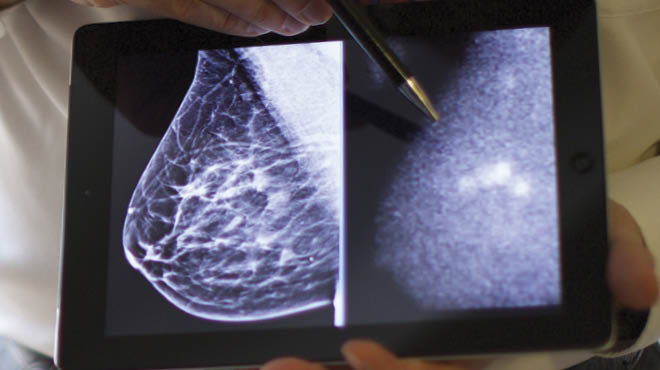
Conditions treated
Our cancer experts provide virtual and in-person consultations for a variety of cancers with seamless referral to Mayo Clinic for those that are highly complex and rare. We review cases as a comprehensive team, bringing the knowledge of hundreds of cancer specialists — and the experience of treating more than a million patients — to you.
Conditions we treat include:
- Blood or immune system cancers (hematologic), including lymphoma, myeloma and leukemia
- Breast and ovarian cancer
- Colon and rectal cancer
- Lung cancer
- Oral and esophageal cancer
- Pancreatic cancer
- Prostate and testicular cancer
- Skin cancer or melanoma
- Thyroid cancer
Diagnosis & treatments
Our oncologists provide comprehensive, personalized cancer treatment plans, including nonsurgical and surgical options. Your care team may use one or more of the following approaches to diagnose cancer and guide your treatment plan:
- Physical exam to evaluate symptoms or changes that may require further testing
- Laboratory tests, such as blood or urine tests, to identify abnormalities
- Imaging tests, including CT, MRI, PET, ultrasound, or X‑ray, to examine internal organs and tissues
- Biopsy, in which a small sample of tissue is collected and examined in the laboratory to confirm a diagnosis
In most cases, a biopsy is the only way to definitively diagnose cancer. Pathologists carefully evaluate cell samples to help determine the type and extent of disease, which informs your treatment plan.
Your care team works closely across our campuses to ensure seamless coordination, with referral to Mayo Clinic for highly complex surgical treatment, CAR‑T cell therapy and proton beam therapy when appropriate.
Treatments we provide include:
- Ablation therapy
- Cancer immune therapy
- Clinical trials and cancer research
- Genetic counseling and testing
- Hormone therapy
- Infusion treatments — blood and chemotherapy
- Integrative and alternative options for symptom management
- Pharmacogenomics and medication management
- Radiation therapy, including proton beam therapy and stereotactic therapy
- Scalp cooling cap — Cold cap therapy helps reduce hair loss by limiting chemotherapy exposure to hair follicles by cooling the scalp during treatment. Effectiveness varies based on treatment and individual factors
Care team
Our cancer specialists collaborate to deliver a seamless experience — from diagnosis to treatment and recovery — so you can get back to doing what you love. Their broad range of clinical, educational and research experience ensures you receive care you can trust.
Our specialists include:
- Oncologists.
- Nurse practitioners.
- Physician assistants.
Additional treatment or therapies may be provided by:
- Dermatology.
- Genetic Counseling.
- Gynecologic Oncology.
- Hospice.
- Infusion Therapy.
- Medication Management Services.
- Nutrition.
- Pain Medicine.
- Palliative Care.
- Pulmonology.
- Radiation Oncology.
- Radiology.
- Surgery or Surgical Oncology.
- Urology.

Breast Cancer Care, Hematology (Blood), Oncology (Cancer)
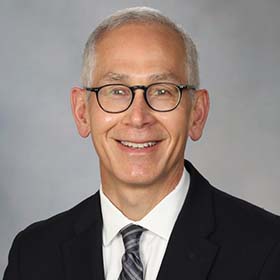
Breast Cancer Care, Oncology (Cancer)
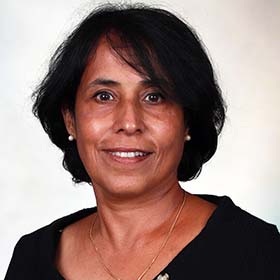
Hematology (Blood), Oncology (Cancer)
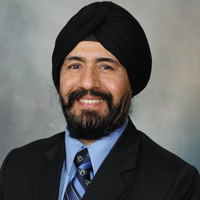
Breast Cancer Care, Hematology (Blood), Oncology (Cancer)

Breast Cancer Care, Hematology (Blood), Oncology (Cancer)
Locations View all Oncology (Cancer) locations

Red Wing, MN
Hospital and Clinic- Call for appointment
- Mon-Fri:7:00 AM - 7:00 PM
- 507-738-4118

New Prague, MN
Hospital- Call for appointment
- Mon-Fri:7:00 AM - 7:00 PM
- 507-594-2929

La Crosse, WI
Hospital- Call for appointment
- Mon-Fri:7:00 AM - 7:00 PM
- 608-392-9510

Barron, WI
Hospital and Clinic- Call for appointment
- Mon-Fri:7:00 AM - 7:00 PM
- 715-838-6072
FAQ
-
Are there cancer screening guidelines?
Yes. Cancer screening guidelines are designed to help detect cancer early, often before symptoms develop. Recommended screenings are based on factors such as age, personal and family history, and individual risk. Your care team can help you understand which screenings may be right for you.
-
Are you an accredited program?
Yes. Our cancer program is accredited by the American College of Surgeons Commission on Cancer, meaning we meet or exceed nationally recognized standards for high‑quality cancer care. This accreditation reflects our commitment to coordinated treatment, access to clinical trials and Mayo Clinic expertise — delivered close to home.
-
What follow-up care do you provide after treatment?
Our compassionate cancer care team extends beyond our oncologists. We partner with colleagues in a variety of areas to offer customized care specific to your individual needs. From your cancer diagnosis to survivorship resources, you're not alone. We're there every step of the way to help you understand your condition, coordinate care, and provide you with the tools and resources to manage it.
-
What cancer screenings are available, and do I qualify?
Several cancer screening options are available. Eligibility and timing depend on your age, health history, and risk factors. Your primary care provider or oncology care team can review your health history, risk factors, and preferences to help determine which screenings are appropriate and when to schedule them. Recommended screenings may include:
- Colon cancer screening
People at average risk are generally recommended to begin screening at age 45. Options may include a colonoscopy or a stool DNA test, with timing and method guided by personal and family history. - Lung cancer screening
Lung screening uses a low‑dose CT scan to look for signs of lung cancer in people at higher risk. Screening can help detect lung cancer before symptoms develop, when it may be more treatable. - Mammogram
Mammograms help detect breast cancer early, when it is most treatable. Screening is recommended annually beginning at age 40 for women of average risk, though some may need to begin earlier based on personal or family history. - Pap smear (Pap test)
A Pap test screens for cervical cancer by collecting cells from the cervix. This screening is offered through Obstetrics & Gynecology or Primary Care. - Prostate‑specific antigen (PSA) test
A PSA test is a blood test that may help detect prostate cancer. Your primary care provider can help determine whether PSA screening is appropriate for you. - Routine skin exam
Skin checks help identify changes that may signal skin cancer. Your primary care provider can evaluate concerning spots and recommend follow‑up if needed.
- Colon cancer screening
-
What should I expect during my first appointment, and what should I bring?
Your first appointment is scheduled for one hour to review your completed tests and results. Additional imaging or procedures may be needed to support your diagnosis or determine next steps in your treatment plan. We may review medications, pretreatment recommendations and resources to ensure you have the support needed throughout your cancer care journey, including support groups, financial counseling and community resources.
Bring any medical records from non-Mayo Clinic Health System facilities. If needed, complete a medical records release form to authorize the transfer of health records from another health care facility to us. Visit our Medical Record Forms page for this form and other forms in multiple languages.
-
Can you provide a second opinion?
Yes. Simply call the appointment number at your preferred Oncology location.
-
What side effects are common during cancer treatment?
Side effects can vary depending on your treatment and your individual health. Some people experience fatigue, nausea, changes in appetite or temporary hair loss, while others have few side effects. Your care team will talk with you about what to expect, monitor how you’re feeling throughout treatment and help manage side effects early — so they don’t become more serious.
-
What happens after treatment?
Our compassionate cancer care team supports you beyond treatment and into recovery and survivorship. We partner across specialties to coordinate follow‑up care, monitor your health, manage side effects and connect you with education, resources and support services. From diagnosis through survivorship, you’re not alone — we’re here every step of the way, providing coordinated care close to home with Mayo Clinic expertise.
-
Are there cancer support groups for patients and caregivers?
Yes. Connecting with others who understand what you're going through can be an important part of the cancer journey. Mayo Clinic Health System offers cancer support groups in select communities. Support groups provide an opportunity to share experiences, gain encouragement and connect with others affected by cancer in a supportive environment.
Find a support group near you on Classes/Events:
If you don't see a support group in your area, ask your care team, cancer guide, cancer navigator or cancer care coordinator about additional support resources available to you.
You can also connect with patients and caregivers through Mayo Clinic Connect, an online community moderated by Mayo Clinic where members share experiences, ask questions and offer support.
-
What is a cancer survival rate?
A cancer survival rate describes the percentage of people who are alive for a certain period of time after a cancer diagnosis. Survival statistics are often reported as a five‑year survival rate, meaning the number of people living five years after diagnosis. These statistics are based on large groups of people and include individuals of all ages, health conditions, and stages of cancer.
-
Can survival rates predict my outcome?
No. Survival rates cannot predict what will happen. Your prognosis depends on many factors, including your cancer type and stage, overall health, and how your cancer responds to treatment. Your care team can help explain what this information may mean for you.
-
How are survival rates used?
You and your doctor may use survival statistics to:
- Better understand your diagnosis and prognosis
- Compare treatment options and weigh benefits and side effects
- Support shared decision‑making based on your goals and preferences
Survival rates are one of many tools used to guide care — not a guarantee or a prediction.
-
Do I have to know my survival statistics?
No. It’s your choice how much information you want. Some people find survival statistics helpful, while others find them confusing or stressful. Your care team will respect your preferences and answer questions at a pace that’s right for you.
-
Do you have an after-hours number in case of emergency?
Always call 911 in case of an emergency. For after-hours help with other issues, get virtual care 24/7 through the Primary Care On Demand app or review our convenient care options.
-
What are my payment options, and do you offer financial assistance?
Our Patient Account Services representatives can assist you with any issues related to billing and insurance. We also offer financial assistance if you are unable to pay for care due to financial hardship.
Related Upcoming Classes & Events View all classes & events
This support group offers compassionate, cancer-related education and support.
The workshops offer tips and tools for helping women with cancer look good and feel better.
This group offers compassionate, cancer-related education and support within the Mankato area — learning about coping with the challenges of cancer.
Support group designed for young adults with cancer connecting and sharing thoughts about how the diagnosis has affected their lives.