
Conditions treated
Our skilled experts provide consultation, diagnosis and treatment for:
- Adrenal disorders
- Calcium disorders, including parathyroid disease and osteoporosis
- Cholesterol (lipid) disorders
- Cushing's disease
- Diabetes mellitus
- High blood pressure
- Hirsutism
- Infertility: female and male
- Kidney stones
- Menopause
- Metabolic bone disease
- Obesity and metabolic disorders
- Osteoporosis
- Ovarian disorders, such as polycystic ovarian syndrome
- Parathyroid disorders
- Pituitary problems and tumors
- Testes disorders, such as low testosterone
- Thyroid cancer
- Thyroid disorders, such as hyperthyroidism (overactive thyroid gland), hypothyroidism (underactive thyroid gland) and Graves' disease
- Thyroid masses or nodules
Diagnosis & treatments
Our endocrinology providers diagnose and treat endocrine system disorders through medical history evaluation, physical examination, laboratory tests and imaging studies to identify the underlying causes of symptoms. They formulate an appropriate treatment plan for each patient.
Treatment approaches may include medication management, hormone replacement therapy, dietary and lifestyle modifications, surgical interventions, and close monitoring of hormone levels and overall health. The specific treatment plan depends on the person.
Diagnosis methods for common conditions include:
-
Adrenal disorders
Evaluate common symptoms such as fatigue, weight gain or loss, high blood pressure and changes in skin pigmentation; screen blood for cortisol, adrenocorticotropic hormone (ACTH), aldosterone and renin levels; and conduct imaging studies such as CT scan or MRI to visualize the adrenal glands and detect tumors or other abnormalities.
-
Diabetes mellitus
Evaluate common symptoms such as frequent urination, excessive thirst, unexplained weight loss and family history of diabetes; conduct fasting blood glucose, oral glucose tolerance and A1C tests to measure average blood sugar levels over a period of time; and manage complex diabetes requiring the use of insulin pumps and continuous glucose monitoring devices to track blood sugar levels over time.
-
Hormonal imbalances and disorders
Screen blood for hormone levels such as parathyroid hormone (PTH), calcium, cortisol and insulin; and conduct imaging studies such as CT, MRI or ultrasound to visualize affected glands or organs.
-
Osteoporosis and metabolic bone diseases
Conduct bone density test (DEXA scan) to measure bone mineral density and assess fracture risk; screen blood for calcium, phosphorus, vitamin D, parathyroid hormone (PTH) and other bone metabolism markers; and conduct imaging studies such as X-ray, CT scans or MRI to assess bone structure and detect fractures or bone abnormalities.
-
Pituitary disorders
Evaluate common symptoms such as headaches, vision changes, hormonal imbalances and symptoms related to specific pituitary hormone deficiencies; screen blood for hormone levels including prolactin, growth hormone (GH), adrenocorticotropic hormone (ACTH) and thyroid-stimulating hormone (TSH); and conduct imaging studies such as MRI of the brain to visualize the pituitary gland and detect tumors or other abnormalities.
-
Thyroid disorders
Conduct a physical examination of the thyroid gland for enlargement or nodules; screen blood for thyroid stimulating hormone (TSH), free thyroxine (T4), triiodothyronine (T3) and thyroid antibodies; conduct imaging studies such as ultrasound, CT scan or MRI to visualize the thyroid gland and detect nodules or tumors; and perform fine needle aspiration biopsy to take a small tissue sample.
Care team
Our team uses a multi-disciplined approach to care.
Our specialists include:
Additional care and therapies may be provided by:

Endocrinology (Diabetes & Metabolism)
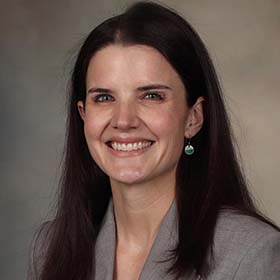
Endocrinology (Diabetes & Metabolism)

Endocrinology (Diabetes & Metabolism)

Endocrinology (Diabetes & Metabolism)
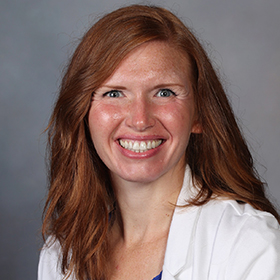
Endocrinology (Diabetes & Metabolism)
Locations View all Endocrinology (Diabetes & Metabolism) locations

Mankato, MN
Hospital and Clinic- Call for appointment
- Mon-Fri:7:00 AM - 7:00 PM
- 507-594-6256

Red Wing, MN
Hospital and Clinic- Call for appointment
- Mon-Fri:7:00 AM - 7:00 PM
- 507-738-4008

Austin, MN
Hospital and Clinic- Call for appointment
- Mon-Fri:7:00 AM - 7:00 PM
- 507-738-4008

Albert Lea, MN
Hospital and Clinic- Call for appointment
- Mon-Fri:7:00 AM - 7:00 PM
- 507-738-4008
FAQ
-
What should I bring for my first appointment?
For your first appointment, bring your current prescription information or medical records from non-Mayo Clinic Health System facilities. Complete a medical records release form to authorize the transfer of health records from another healthcare facility to us. Visit our Medical Record Forms page for this form and other forms in multiple languages.
-
What is diabetes?
Diabetes mellitus refers to a group of diseases that affect how your body uses glucose, also called blood sugar, and it varies by type. Diabetes can lead to excess sugar in your blood and can possibly cause serious health problems.
-
What is osteoporosis?
Osteoporosis causes bones to become weak and brittle. It occurs when the creation of new bone doesn't keep up with the loss of old bone, and it usually occurs in the hip, wrist or spine.
-
What are common thyroid conditions?
Typical thyroid conditions are hyperthyroidism, hypothyroidism and thyroid cancer.
-
What are my payment options, and do you offer financial assistance?
Our Patient Account Services representatives can assist you with any issues related to billing and insurance. We also offer financial assistance if you are unable to pay for care due to financial hardship.
-
Can you provide a second opinion?
Yes. Call the appointment number at your preferred endocrinology location.
-
Do you have an after-hours number in case of emergency?
Always call 911 in case of an emergency. For after-hours help with other issues, get virtual care 24/7 through the Primary Care On Demand app or review our convenient care options.
Related blogs

If you have diabetes, you might encounter the effects of complications as you move into the latter part of your life. According to the Centers for Disease Control and Prevention, 50 percent of adults age 65 and older have prediabetes and 25 percent have diabetes.


The thyroid gland makes a hormone that regulates metabolism. Sometimes it can make too little or too much of the hormone, resulting in thyroid disease. Find out the types, symptoms and treatments.

If current trends continue, as many as one in three Americans will have diabetes by the year 2050. That projection is staggering, but it doesn't necessarily have to come true.