Conditions treated
Diabetes is a group of conditions that affect how the body processes glucose, a key source of energy for the body's cells and the brain. When diabetes is present, glucose can build up in the bloodstream, which may increase the risk of serious health complications over time. Common forms include Type 1 diabetes, Type 2 diabetes, prediabetes and gestational diabetes.
-
Diabetes
When should diabetes evaluation be considered?
Diabetes screening or evaluation may be recommended if you have symptoms of high blood sugar, abnormal blood sugar test results, prediabetes, or gestational diabetes. While some people with prediabetes, gestational diabetes or Type 2 diabetes may not notice symptoms, Type 1 diabetes often develops more quickly and with more noticeable symptoms. Early diagnosis and treatment can help reduce the risk of complications.
Diabetes symptoms and warning signs
Diabetes symptoms and warning signs may include:
- Increased thirst, frequent urination, or unexplained weight loss.
- Ongoing fatigue, weakness, irritability, or other changes in mood.
- Blurred vision, slow-healing sores, or frequent infections, including skin, gum or vaginal infections.
- Signs of ketones in the urine, which can occur when there is not enough available insulin and the body begins breaking down fat and muscle for energy.
- Any symptoms that suggest diabetes in you or your child, especially if symptoms develop suddenly or become severe.
When to see a healthcare professional
If you think you or your child may have diabetes, schedule an appointment with a healthcare professional as soon as possible. If you have already been diagnosed with diabetes, regular medical follow-up is important to help manage blood sugar levels and support long-term health.
Diabetes risk factors
Several factors can increase your risk of diabetes, including family history, excess weight and certain inherited traits. Type 1 diabetes may be linked to immune system and environmental factors, while type 2 diabetes, prediabetes and gestational diabetes are more common in people who are overweight or have obesity.
You may be at higher risk if you:
- Have a close family member with diabetes.
- Have prediabetes.
- Are overweight or have obesity.
- Had gestational diabetes during pregnancy.
- Belong to a racial or ethnic group with a higher risk of type 2 diabetes.
Diabetes complications
Diabetes can affect many parts of the body over time, especially when blood sugar is not well controlled. Early management and routine care can help lower the risk of serious health problems.
Common complications include:
- Heart disease and stroke.
- Nerve damage causing numbness, tingling or pain, often in the feet and hands.
- Kidney or eye damage that can affect kidney function and vision.
- Foot problems due to poor circulation or nerve damage.
- Increased risk of skin infections, hearing loss and depression.
Gestational diabetes complications
Gestational diabetes can affect both the mother and baby if blood sugar is not well managed during pregnancy.
Potential complications include:
- Larger-than-average baby size, which may complicate delivery.
- Low blood sugar in the baby after birth.
- Increased risk of obesity and Type 2 diabetes later in the child’s life.
- Higher risk of preeclampsia during pregnancy.
- Greater likelihood of gestational diabetes in future pregnancies.
Diabetes prevention
Healthy habits can help lower the risk of prediabetes, type 2 diabetes and gestational diabetes. While type 1 diabetes cannot be prevented, staying active, eating nutritious foods and maintaining a healthy weight can support overall health and blood sugar management.
Talk with a healthcare professional if you:
- Have prediabetes and need guidance on reducing your risk of type 2 diabetes.
- Are overweight and looking for healthy weight-loss strategies.
- Need support building healthy eating and exercise habits.
- Are pregnant and have questions about healthy weight gain.
- Want to learn whether diabetes screening or preventive treatment is right for you.
Diagnosis & treatments
Our team of specialists provides diabetes education services in various formats and settings close to home. You may have the option of attending one-on-one or group sessions or receiving education while you’re in the hospital. At some locations, staff members from other clinics provide diabetes education services on an outreach basis. When making your first appointment, we will let you know what options are available.
Our diabetes education services include:
-
Diabetes self-management care planning
Diabetes self-management care planning is a way for you to be more involved in decisions about your health. Our diabetes education team helps you make treatment decisions based on goals that are important to you. They work with you and your healthcare provider to develop your personalized plan.
Diabetes education
You are the key to controlling your diabetes. By participating in our program, you will learn about:
- Achieving and maintaining effective blood glucose control.
- Blood glucose monitoring.
- Diabetes medications and technology.
- Exercise and activity.
- Family involvement and social support.
- Nutrition for good health and blood glucose control.
- Prevention, detection and treatment of complications.
- Signs that may indicate you need a change in your treatment plan.
- Strategies to change behavior.
-
Pediatric diabetes management
Our diabetes education team offers teaching sessions specially designed for children and families. You and your child learn skills for managing diabetes at home, including how to:
- Give insulin.
- Incorporate exercise.
- Monitor blood glucose.
- Plan meals.
-
Diabetes support groups and education
Support groups are an opportunity to share your experiences with others going through similar challenges. Classes provide detailed instruction in a group setting. To find support groups and educational classes near you, ask your care team or search our classes and events for "diabetes.”
Care team
Our team has extensive knowledge and experience in all aspects of diabetes management. Every day, they work to help people live healthier lives.
Our specialists include:
- Endocrinologists
- Diabetes nurse educators
- Registered dietitians
- Exercise physiologists
- Pharmacists
- Psychologists
You may receive additional care from:
- Ophthalmologists
- Podiatrists
- Social services
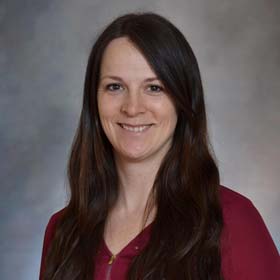
Diabetes Education, Medical Nutrition Therapy
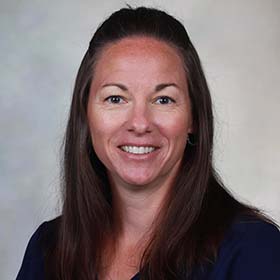

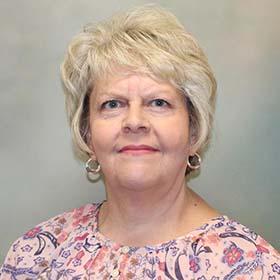
Diabetes Education, Medical Nutrition Therapy

Diabetes Education
Locations View all Diabetes Education locations

Onalaska, WI
Clinic- Call for appointment
- Mon-Fri:7:00 AM - 7:00 PM
- 608-392-9862

Eau Claire, WI
Clairemont Campus Clinic- Call for appointment
- Mon-Fri:7:00 AM - 7:00 PM
- 715-838-6594

Lake City, MN
Hospital and Clinic- Call for appointment
- Mon-Fri:7:00 AM - 7:00 PM
- 651-267-5500
- General
- 651-345-3321

Mankato, MN
Hospital and Clinic- Call for appointment
- Mon-Fri:7:00 AM - 7:00 PM
- 507-594-4700
FAQ
-
What can I do to make a diabetes self-management program work for me?
- Ask questions: Healthcare can be confusing. By asking questions, you get the answers you need. Plus, your healthcare provider learns more about you and how to serve you better.
- Listen to yourself: You are the most knowledgeable part of the team when it comes to determining what is best for you. If a treatment is creating problems, let us know.
- Keep follow-up appointments: Follow-up visits are an opportunity for you and your provider to review your care plan and make adjustments.
-
What are my payment options, and do you offer financial assistance?
Our Patient Account Services representatives can assist you with any issues related to billing and insurance. We also offer financial assistance if you are unable to pay for care due to financial hardship.

If you have diabetes, you might encounter the effects of complications as you move into the latter part of your life. According to the Centers for Disease Control and Prevention, 50 percent of adults age 65 and older have prediabetes and 25 percent have diabetes.


If current trends continue, as many as one in three Americans will have diabetes by the year 2050. That projection is staggering, but it doesn't necessarily have to come true.