Conditions treated
Our program is available to help people struggling with substance use disorder of any kind.
Care begins with an initial consultation/intake process. Please reach out to schedule today.
Diagnosis & treatments
-
Treatment programs
Several treatment programs are available to meet your individual needs:
- Adult men residential program in Albert Lea. See FAQ for more details. This program offers specialized treatment for adult men and their families who are struggling with addiction and a mental health disorder.
- Extended care program in Albert Lea. This program offers treatment for adults with chronic, relapsing substance abuse problems who are at higher risk for relapse due to a need to develop a sober living environment before living independently. Services provided in this program include:
- 24/7 staffing.
- Daily medication and relaxation skills training.
- Therapeutic recreation.
- Assistance with establishing aftercare living arrangements to enhance a substance-free lifestyle.
- Extended stays up to 90 days.
- Outpatient services. Fountain Centers offers a wide range of outpatient alcohol and drug treatment services for adults and adolescents. Treatment plans are individualized to meet the unique needs of each participant. We use evidence-based practices in our treatment programs and incorporate the 12-step recovery principles into our therapy services. These include motivational enhancement and cognitive behavioral traditions with an emphasis on teaching skills to prevent relapse.
All programs include:
- Comprehensive assessments.
- Individual counseling and group therapy.
- Adolescent programming.
- Family group counseling and education.
- Alcohol and drug education.
- Cognitive behavior skills therapy.
- Transition services.
- Relapse track.
-
Education classes
Education classes are available to meet your needs:
Adolescent chemical health
This class focuses on prevention and intervention and is available to adolescents ages 13 to 17, or older if still enrolled in high school, who are seeking more information on the harmful effects of alcohol, marijuana and nicotine. Referrals to this class can be made by probation officers, social workers and concerned parents.
Upon completion of this class, participants will be able to:
- Identify the effects of alcohol, marijuana and tobacco use.
- Learn healthy ways to reduce or quit current use of alcohol, drugs, and/or tobacco.
- Identify positive alternatives to alcohol and drug use.
A parent or guardian must accompany the adolescent to the first class to build the adult’s awareness of adolescent substance use, gain resources to help communication with his or her child, and network with other parents and guardians in the community.
Chemical awareness
This four-hour class addresses the early consequences of drug and alcohol use.
Class topics include: problem identification, self-assessment and lifestyle choices and decision-making, identifying consequences of driving under the influence of drugs and/or other chemicals, negative effects of nicotine and exploring personal values.
Substance abuse
This 12-hour class is for people who are starting to experience the consequences of drug and alcohol use.
Class topics include: defining abuse and addiction, coping skills, self-assessment and lifestyle choices and decision-making, personal consequences of use along with negative effects of substances and peer and family roles.
-
Support and groups
Recovery support groups. Recovery support groups meet weekly and are facilitated by a trained volunteer. Group participants are typically from one of the Fountain Centers treatment programs; however, a referral from one of those programs is not necessary. Participation is recommended for a minimum of one year.
Relapse group. This group is open to anyone recovering from substance abuse. A Fountain Centers staff member is present at every meeting to provide education and support.
Telephone recovery support. This is a service provided to individuals enrolled in the residential or extended care programs with us. Phone contact and support are provided at one week, 30 days, and at 3, 6, 9 and 12 months after discharge.
-
Substance abuse websites
These websites provide additional information about substance abuse:
- Al-Anon/Alateen.
- Alcoholics Anonymous.
- Alcoholics Anonymous in Minnesota.
- Assistance in Recovery.
- Minnesota Department of Health - Alcohol and Other Drugs.
- Narcotics Anonymous.
- National Institute on Alcohol Abuse and Addiction.
- National Institute on Drug Abuse.
- Partnership to End Addiction.
- Substance Abuse and Mental Health Services Administration.
Care team
Our team is comprised of a medical doctor, nurse, psychotherapist and licensed alcohol and drug counselors.
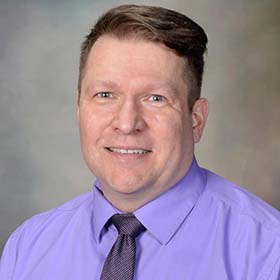
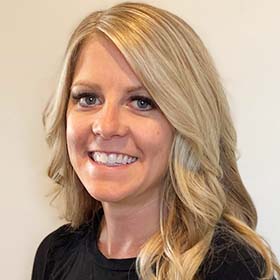

Addiction Treatment (Substance Abuse)

Addiction Treatment (Substance Abuse)
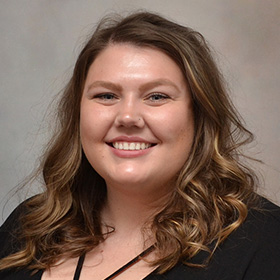
Addiction Treatment (Substance Abuse)
Locations View all Addiction Treatment (Substance Abuse) locations

Owatonna, MN
Clinic- Fax
- 507-377-6443
- Call for appointment
- Mon-Fri:7:00 AM - 7:00 PM
- 507-451-0511

Faribault, MN
Clinic- Fax
- 507-377-6443
- Call for appointment
- Mon-Fri:7:00 AM - 7:00 PM
- 507-334-6413

Albert Lea, MN
Hospital and Clinic- Fax
- 507-377-6443
- Call for appointment
- Mon-Fri:7:00 AM - 7:00 PM
- 507-377-6411

Mankato, MN
Eastridge Clinic- Fax
- 507-377-6443
- Call for appointment
- Mon-Fri:7:00 AM - 7:00 PM
- 507-625-3372
FAQ
-
Do you use the 12-step program?
The core components of our treatment programs draw from motivational enhancement and cognitive behavioral traditions emphasizing teaching relapse prevention skills. We promote and integrate the 12-step recovery principles into our therapy services.
-
Do you offer a residential treatment program for adult men?
Our adult men residential program specializes in treatment for adult men and their families who are struggling with addiction and a mental health disorder. Services include, but not limited to, individual counseling, group therapy, 24/7 staffing, therapeutic recreation, and family education and sessions. Program guidelines for the participant to follow will be discussed during the admission process.
-
How do I release my information to another facility?
To release patient information to another facility, the patient must complete and sign the Authorization to Release Substance Abuse and Addiction Treatment Information form (PDF). This form authorizes the substance abuse and addiction treatment programs at Mayo Clinic Health System to disclose to and receive from the insurer information related to the patient’s treatment for the purposes of receiving payment for healthcare services and the insurer’s healthcare operations.
-
Will my insurance cover addiction treatment?
Please check with your insurance provider to determine your coverage.
-
What are my payment options, and do you offer financial assistance?
Our Patient Account Services representatives can assist you with any issues related to billing and insurance. We also offer financial assistance if you are unable to pay for care due to financial hardship.
-
Do you have an after-hours number in case of emergency?
Always call 911 in case of an emergency. For after-hours help with other issues, get virtual care 24/7 through the Primary Care On Demand app or review our convenient care options.
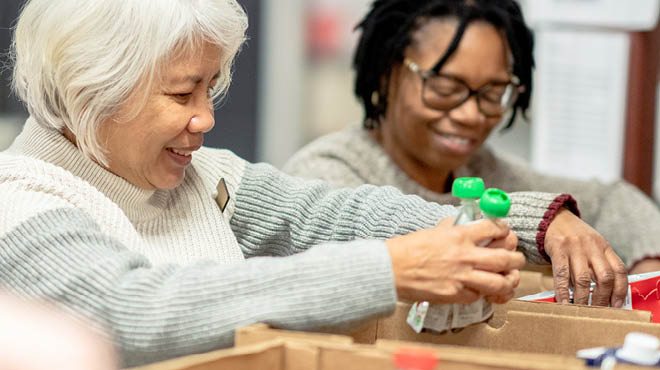

Eating as a family can be more than just shared conversations — it’s building relationships. Nutrition educator Katie Johnson shares a few tips that can make it easier to plan and prep meals.